Table of Contents
Bitcoin is no longer just a speculative asset for retail investors. Over the past few years, governments and nation-states have begun accumulating Bitcoin through purchases, seizures, and even direct mining operations. This shift has elevated Bitcoin from a niche digital currency to a strategic asset, comparable in some ways to gold or foreign exchange reserves. As nations quietly build their Bitcoin holdings, many individuals are asking a simple question: how can I participate too?
One of the most direct ways to align yourself with this global trend is through Bitcoin mining. Mining allows individuals to earn Bitcoin by contributing computing power to secure the network. This article explains why nations are hoarding Bitcoin, how mining works, and how you can start mining using professional, home, or solo Bitcoin mining machines.
Why Governments Are Hoarding Bitcoin
Governments accumulate Bitcoin for several reasons. First, Bitcoin offers a hedge against inflation and currency debasement. Unlike fiat currencies, Bitcoin has a fixed supply of 21 million coins, making it resistant to monetary expansion. This scarcity is attractive to governments facing long-term debt and currency risks.
Second, Bitcoin provides geopolitical diversification. Some countries see Bitcoin as a neutral, borderless asset that is not controlled by any single nation. This is particularly appealing for states seeking to reduce dependence on the US dollar-based financial system.
Third, Bitcoin can be obtained in multiple ways. The United States, for example, holds a large amount of Bitcoin through law enforcement seizures. Bhutan and El Salvador have gone a step further by actively mining Bitcoin using renewable energy sources such as hydropower and geothermal energy. These real-world examples demonstrate that Bitcoin mining is not just theoretical; it is already part of national economic strategies.
Bitcoin Mining Basics Explained
Bitcoin mining is the process of validating transactions and adding them to the blockchain. Miners compete to solve cryptographic puzzles using specialized hardware. The first miner to solve the puzzle earns the right to add a new block and receives a Bitcoin reward.
Several key concepts are important to understand. Hashrate refers to the computational power a miner contributes to the network. Higher hashrate increases the probability of earning rewards. Mining difficulty adjusts automatically based on total network hashrate, ensuring that blocks are produced at a steady pace. Proof of Work is the consensus mechanism that makes Bitcoin secure but also energy-intensive.
Today, global Bitcoin mining is highly competitive, with industrial-scale operations dominating the network. However, individual miners can still participate by choosing the right hardware and strategy.
If you’re new to Bitcoin mining, here’s a clear breakdown of how SHA-256 mining hardware actually works.
Types of Bitcoin Mining Machines
Professional Bitcoin Mining Machines
Professional Bitcoin miners are high-performance ASIC machines designed for large-scale or serious mining operations. These machines offer extremely high hashrate and efficiency but require significant power and cooling infrastructure. They are commonly used in mining farms or by experienced miners with access to low-cost electricity.
Popular professional machines include models such as the Antminer S19k Pro, Antminer S21 Pro, Avalon Miner A16, Bitdeer Sealminer A3 Pro, Antminer S21, Antminer S21 XP, and the next-generation Antminer S23. These machines represent the cutting edge of Bitcoin mining technology and are built for long-term operation in competitive environments.
If you want to convert professional machines into a more home-friendly setup, upgrading cooling and noise control is essential. High-quality silent fans and airflow optimization can significantly reduce noise and heat, making professional miners more adaptable to smaller environments.
Home Bitcoin Mining Machines
Home Bitcoin miners are designed for individuals who want to mine Bitcoin without industrial infrastructure. These machines focus on lower power consumption, quieter operation, and easier setup. While they do not match the hashrate of professional miners, they are far more practical for residential use.
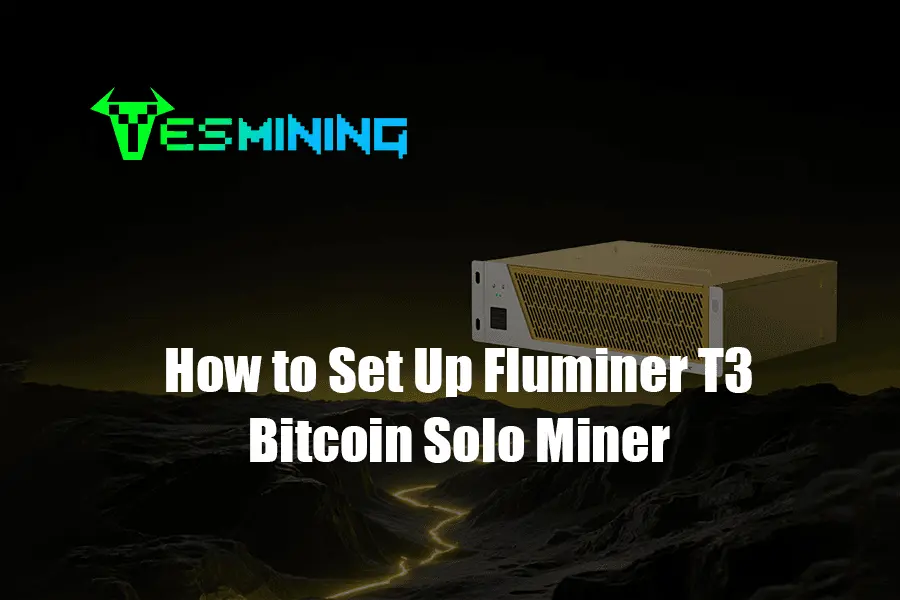
Examples of home mining machines include the Canaan Avalon Q and the Fluminer T3 silent home miner. These devices are suitable for apartments, garages, or small home mining setups and allow beginners to gain hands-on experience with Bitcoin mining.
Solo Bitcoin Mining Machines
Solo Bitcoin mining involves mining independently rather than joining a mining pool. If a solo miner successfully finds a block, they receive the entire block reward. However, the probability of success is extremely low unless the miner controls a large amount of hashrate.
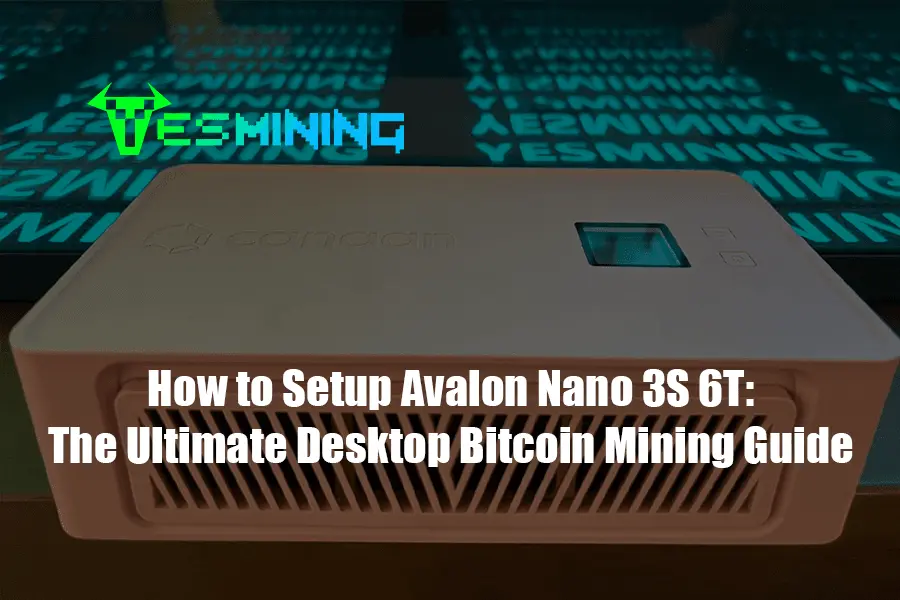
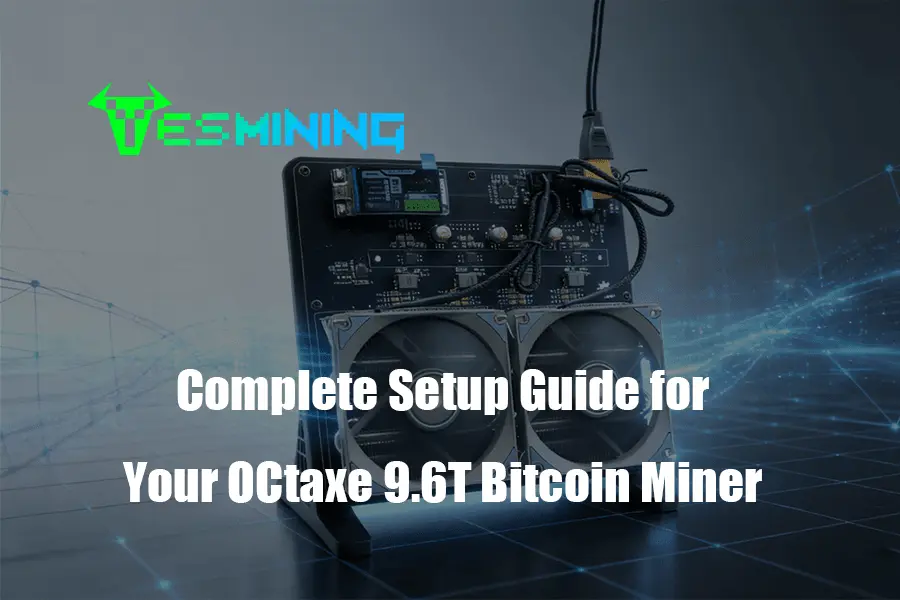
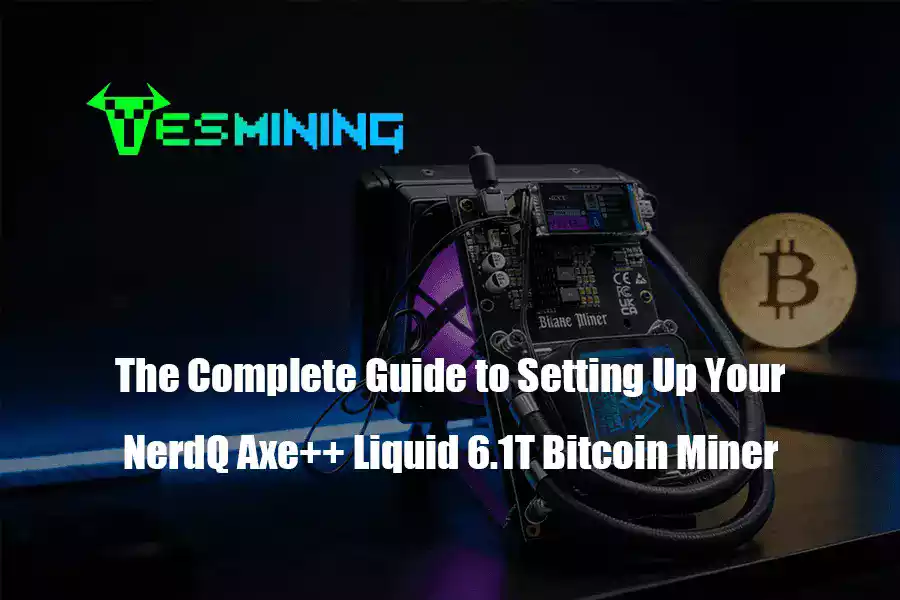
Solo mining machines are often used for educational purposes, experimentation, or as a hobby. Devices such as the Canaan Avalon Nano 3S, NerdMiner NerdQAxe++, BitAxe Gamma, BitAxe SupraHex, and BitAxe Zyber are compact, energy-efficient, and accessible to enthusiasts. While solo mining should not be viewed as a reliable income strategy, it offers a unique way to interact directly with the Bitcoin network.
Bitcoin Miner Specification Comparison
When comparing Bitcoin mining machines, it is important to focus on technical specifications rather than price. Key parameters include hashrate, power consumption, and energy efficiency measured in joules per terahash. Professional miners lead in raw performance, home miners balance efficiency and usability, and solo miners prioritize accessibility and learning.
Solo Mining vs Pool Mining
Most Bitcoin miners choose to join mining pools. Pool mining combines the hashrate of many participants, providing more consistent and predictable rewards. Earnings are distributed proportionally based on contributed hashrate.
Solo mining offers the potential for a full block reward but comes with extremely high variance. For most individuals, pool mining is the more practical and financially stable approach, especially when starting out.
If you’re still unsure which method fits your mining strategy, you can check our detailed comparison here: Solo Mining vs. Pooled Mining: Which Is Right for You?
How to Start Bitcoin Mining as an Individual
Starting Bitcoin mining involves several steps. First, choose a mining machine that matches your budget, power availability, and noise tolerance. Second, prepare a suitable environment with proper ventilation and electrical capacity. Third, connect your miner to a mining pool unless you are intentionally experimenting with solo mining.
Finally, monitor your mining performance regularly. Network difficulty, Bitcoin price, and operational efficiency all affect long-term results. Successful miners treat mining as an ongoing optimization process rather than a one-time setup.
Risks and Rewards of Bitcoin Mining
Bitcoin mining offers potential rewards but also carries risks. Electricity costs, hardware depreciation, and increasing network difficulty can reduce profitability. Market volatility also affects returns, as mining rewards are paid in Bitcoin.
On the other hand, mining provides exposure to Bitcoin without directly purchasing it, contributes to network security, and offers valuable technical knowledge. For many participants, mining is both an investment and a learning experience.
Final Thoughts
As nations continue to accumulate Bitcoin, the asset’s role in the global financial system becomes increasingly significant. While individual miners cannot compete directly with governments or industrial farms, they can still participate meaningfully through carefully chosen mining strategies.
Whether you opt for professional machines, home miners, or solo devices, Bitcoin mining remains one of the most direct ways to engage with the network. By understanding the technology, risks, and hardware options, individuals can align themselves with the same trend that is quietly reshaping national balance sheets around the world.

 English
  Russian
  Spanish
  French
  German



















 Bitdeer
 Bitmain
 BOMBAX
 DragonBall
 Elphapex
 Fluminer
 Goldshell
 iBelink
 Iceriver
 Ipollo
 Jasminer
 Volcminer
 Aleo Miner
 Bitcoin(BTC) Miner
 CKB Miner

 ETC Miner


 Kaspa(KAS) Miner


 Siacoin(SC) Miner