Ethereum Investment is gaining attention from numerous investors. Its market value exceeds $533 billion, making it the second-largest cryptocurrency after Bitcoin.
Many people believe that Ethereum Investment has significant growth potential. However, there are risks involved as well. High transaction fees pose challenges for users. Fortunately, new Layer 2 platforms are emerging to help reduce these fees. Stablecoins and Layer 2 solutions could contribute to making Ethereum more stable in the future.
Ethereum Investment: Pros and Cons
Quick Overview
Ethereum Investment gets a lot of attention for its growth and special technology. In five years, Ethereum’s price went up by over 900%. Right now, it is close to $4,465. In the past year, the price grew by almost 76%. Ethereum had a big jump and went over $3,500, reaching $3,875 at its highest. Many people took out their Ethereum from exchanges, so there is less available now than since 2016. These facts show that Ethereum Investment can give big rewards.
Financial experts point out some good things and some risks. The table below shows the main ideas:
Key Factors
Many things affect how well Ethereum Investment does and what risks it has. The table below explains the most important ones:
Other important things are:
Market mood, which changes with news and social media.
Regulation, which depends on what governments decide.
Technology updates, like new protocol changes.
DeFi and NFT activity, which grows as more apps use Ethereum.
Competition from other blockchains.
Big economy factors, like inflation and interest rates.
Investors should also think about ETF risks:
If you only focus on Ethereum, prices can swing a lot.
New rules can quickly change how safe your investment is.
There are risks if you trust someone else to keep your assets safe.
What Is Ethereum?
 Ethereum is a blockchain platform that enables digital asset transfer, app building, and value transmission. No single person or group controls it. The network is growing fast. Right now, more than half a million wallets are used every day.
Unique Features
Ethereum is different from other blockchains. It has some special things that make it stand out.
How Ethereum Works
Ethereum uses something called the Ethereum Virtual Machine, or EVM. The EVM runs smart contracts in a safe place. This keeps them away from the main network and computers. Once a smart contract is on Ethereum, it cannot be changed. Everyone checks the results to make sure they are right. The EVM keeps track of what happens on the blockchain. It also sets the rules for moving from one block to the next.
The EVM runs smart contracts in a safe area.
Smart contracts cannot be changed and are shared everywhere.
The EVM keeps the blockchain’s state by setting rules for new blocks.
Here is how Ethereum handles smart contracts:
The network turns smart contracts into code and saves them on the blockchain.
Each contract gets its own address. This comes from the creator’s address and how many times they have made contracts.
The EVM counts costs using gas units. People pay with ether to use the network.
Ethereum vs. Bitcoin
Ethereum and Bitcoin both use blockchain. But they do different things. Bitcoin is for sending and saving digital money. Ethereum lets people make programs and smart contracts. Bitcoin always has the same amount of coins. Ethereum can change how many coins it has. Ethereum gets new upgrades often. This makes it good for new ideas. Many investors like Ethereum Investment because it does more than just payments.
Benefits of Ethereum Investment
Growth Potential
Ethereum Investment has grown a lot over the years. Many investors look at past returns to guess what might happen next. The table below shows how Ethereum did at different times:
In five years, Ethereum Investment gave a 60.84% return. This is better than most other cryptocurrencies. Many people think this means Ethereum can keep growing, even if it sometimes goes down in the short term.
Technology and Upgrades
Ethereum continues to evolve with new technological advancements, which enhance its speed and security. Key upgrades include:
Scalability: Enhances transaction processing capacity
Gas Fees Optimization: Reduces costs for users and developers
User Experience: Improves transaction speed and efficiency
Security Features: Strengthens resilience against exploits and bugs
Layer 2 Solutions: Enables faster transaction processing and lower fees
These upgrades make Ethereum more practical: better scalability supports more users and applications, lower gas fees reduce barriers to trying new tools, and improved security gives developers confidence to build new projects.
Use Cases
Ethereum is used for many real-world things. These uses show how Ethereum Investment can help different businesses. The table below lists some popular ways people use it:
Many companies use Ethereum to fix problems with payments, identity, and managing assets. These examples show why people are interested in Ethereum Investment and want to support new technology.
Risks of Ethereum Investment
Major Risks Overview
Investing in Ethereum has some big risks. People should know these before they invest.
1. Price Volatility
Ethereum’s price can go up and down fast. It often changes more than Bitcoin. The chart below shows how much Bitcoin’s price moves each year. Ethereum usually has even bigger changes.
The SEC tries to stop scams and keep investors safe.
In March 2025, the Treasury removed rules on Tornado Cash.
Sometimes, courts say tokens like XRP are not always securities for everyone, but rules can be different for big companies.
New laws or court choices can change Ethereum’s price and how people use it.
3. Cybersecurity Threats
Ethereum has had some big hacks.
These hacks show smart contracts and DeFi need strong safety. Weak spots can cause big money losses.
4. Competition from Other Blockchains
Ethereum has rivals like Solana and Cardano. Solana grows fast but stops working sometimes and is risky. Cardano is slow and might not keep up. Ethereum’s strong group and trust help, but other blockchains are still a threat.
5. Quantum Computing and Institutional Risks
Quantum computers could break today’s security in the future. Big investors also face problems like too many people using the same ETF and keeping assets safe. If lots of people use one ETF, prices can change even more.
Ethereum Investment vs. Other Assets
Bitcoin
Bitcoin and Ethereum are both top cryptocurrencies. They have different jobs. Bitcoin is used to save and send money safely. Ethereum lets people make smart contracts and apps. The table below shows how they are not the same:
Ethereum and Bitcoin do not always grow the same way. The table below shows how much money you could make with each one:
Traditional Investments
People have picked stocks and bonds for a long time. Ethereum does not move the same way as these. Its connection to stocks and bonds is only about 38%. Stocks and bonds usually move together more, over 60%. This means Ethereum can help make your investments more mixed.
If you add a little Ethereum to your regular investments, you can lower risk and maybe get better results.
Studies say putting 5% in Bitcoin or Ethereum can raise the Sharpe Ratio, which shows how much you earn for the risk you take.
A normal mix of 60% stocks and 40% bonds could do better with some Ethereum. This helps balance risk and try for higher gains.
Other Cryptocurrencies
Ethereum has rivals like Solana and Cardano. These also let people use smart contracts and apps. But Ethereum is special because it has many developers and gets new updates often. Solana is fast but sometimes stops working. Cardano takes its time and moves slowly.
Ethereum keeps its top spot by changing and growing. Many people pick Ethereum Investment because it has a big group and is used by lots of people.
Before You Invest
Risk Tolerance
Every investor should know how much risk they can handle. Some people are okay with big price changes. Others like slow and steady growth. You can use tools to find out your risk level. Setting clear limits helps you avoid big losses. Stop-loss orders can help you sell if prices drop too much. Checking the market and new rules often keeps you ready. Picking the right amount to invest can help control risk.
Research
Smart investors always learn before they buy. They read expert reports from trusted companies like VanEck and Grayscale. These reports explain how Ethereum works and what is happening in the market. Looking at old price charts shows how Ethereum did before. It is important to know how news and world events change prices.
Investors should watch for new rules to avoid surprises.
Many new investors make mistakes by acting too fast or only looking at charts.
Joining Ethereum groups can give helpful tips and news.
Diversification
Diversification means not putting all your money in one place. Adding Ethereum to your investments can help you earn more. Ethereum acts differently than stocks or bonds. Its special technology can bring new chances. If you only buy Ethereum, you might miss gains from other things.
Diversification can lower your risk and protect you from big losses.
Ethereum is different from Bitcoin and other assets, so it can help balance your investments.
Not having Ethereum could mean missing out on digital asset growth.
Ethereum has powerful technology and is used by many people. It could grow more in the future. But investors have to deal with prices that change a lot. There are also risks from people trying to trick the market and from new rules.
Experts say Ethereum’s smart contracts are very useful. More big companies are starting to use it.
Some problems are that a few people own a lot of Ethereum. Its price goes up and down even more than Bitcoin.
Money experts say you should not put all your money in one place. Talk to a professional and watch what is happening in the market.
FAQ
What makes Ethereum different from Bitcoin?
Bitcoin is mostly for sending money safely. Ethereum gets new technology updates often. Bitcoin always has the same number of coins. Many people build projects on Ethereum.
Is Ethereum safe to invest in?
Ethereum has risks like big price changes and hacks. New rules can also affect it. Investors should learn about these risks first. Using safe wallets and checking news can help keep your money safe.
How can someone buy Ethereum?
You can buy Ethereum on exchanges like Coinbase or Binance. First, make an account and put money in it. Then, pick how much Ethereum you want to buy. Keeping Ethereum in your own wallet is safer.
What are Layer 2 solutions?
Optimism and Arbitrum are examples of Layer 2. These upgrades make using Ethereum easier.
Can Ethereum be used for everyday purchases?
Some stores let you pay with Ethereum. Most people use Ethereum to invest or trade. Apps and wallets can help you spend Ethereum. But it is not as common as cash or cards.








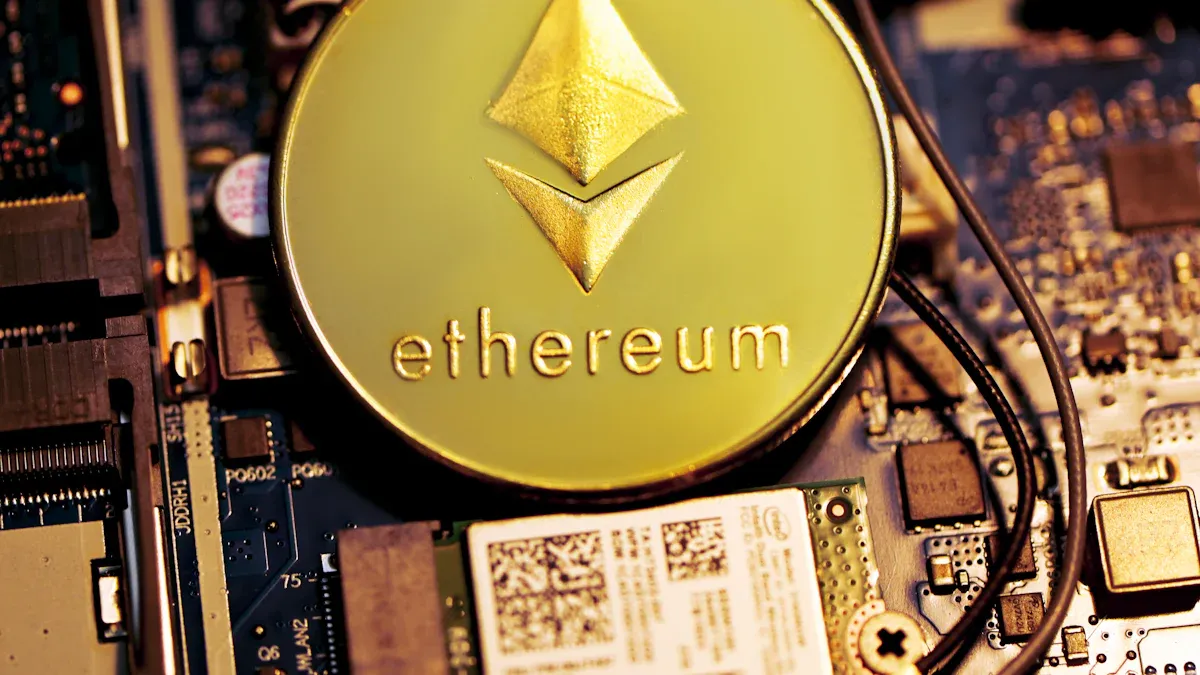 Ethereum is a blockchain platform that enables digital asset transfer, app building, and value transmission. No single person or group controls it. The network is growing fast. Right now, more than half a million wallets are used every day.

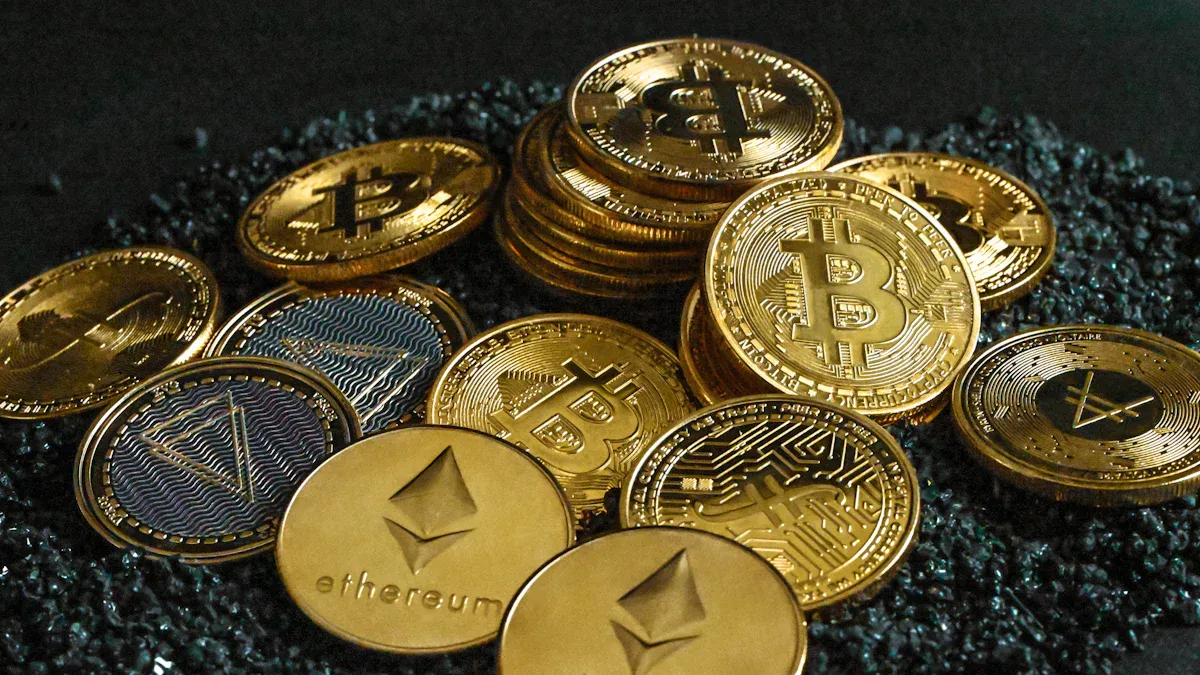
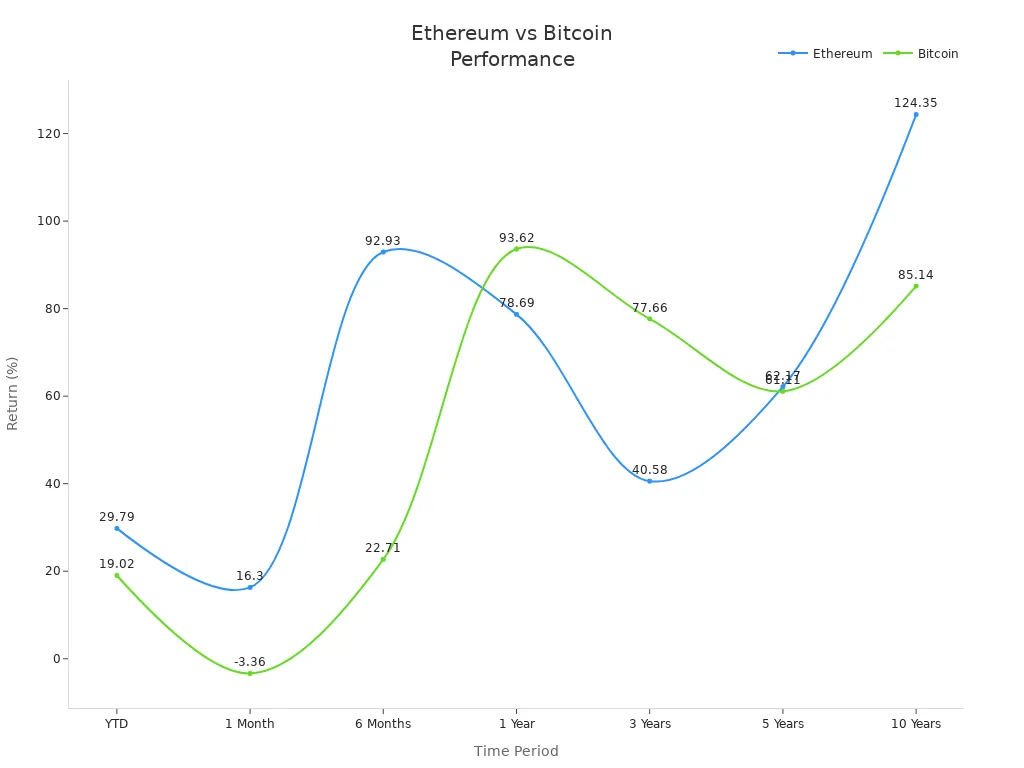 Ethereum can give bigger gains in a short time. Bitcoin has done well over many years.






















 Bitmain
 Iceriver
 Bitdeer
 BOMBAX
 DragonBall
 Elphapex
 Fluminer
 Goldshell
 iBelink
 Ipollo
 Jasminer
 Volcminer
 Bitcoin(BTC) Miner
 Aleo Miner
 CKB Miner
 ETC Miner

 Kaspa(KAS) Miner


 Siacoin(SC) Miner