Litecoin and Dogecoin remain the most prominent Scrypt-based cryptocurrencies in 2025. Mining these coins efficiently requires specialized hardware: Scrypt ASIC miners. Over the last two years manufacturers optimized both raw hashrate and power efficiency, and several models now support hydro or immersion-ready deployments for professional farms.
This guide distills technical specifications, deployment considerations, and real-world experience so you can choose the right model for your objectives — whether you’re a hobbyist testing Dogecoin or a farm operator planning a multi-rack deployment.
Why Choose A Scrypt ASIC In 2025?
ASICs deliver algorithm-specific efficiency that general-purpose GPUs cannot match. For Scrypt coins the advantages are straightforward:
Efficiency: Much higher GH/s per watt than GPU rigs.
Lower operational complexity: ASICs are plug-and-play compared with multi-GPU setups.
Scalability: Racks of identical units give predictable power and cooling planning.
Longevity: Modern ASICs with hydro/immersion options increase hardware life and reduce failure rates.
These strengths make ASICs the natural choice for anyone aiming for long-term, sustainable Scrypt mining.
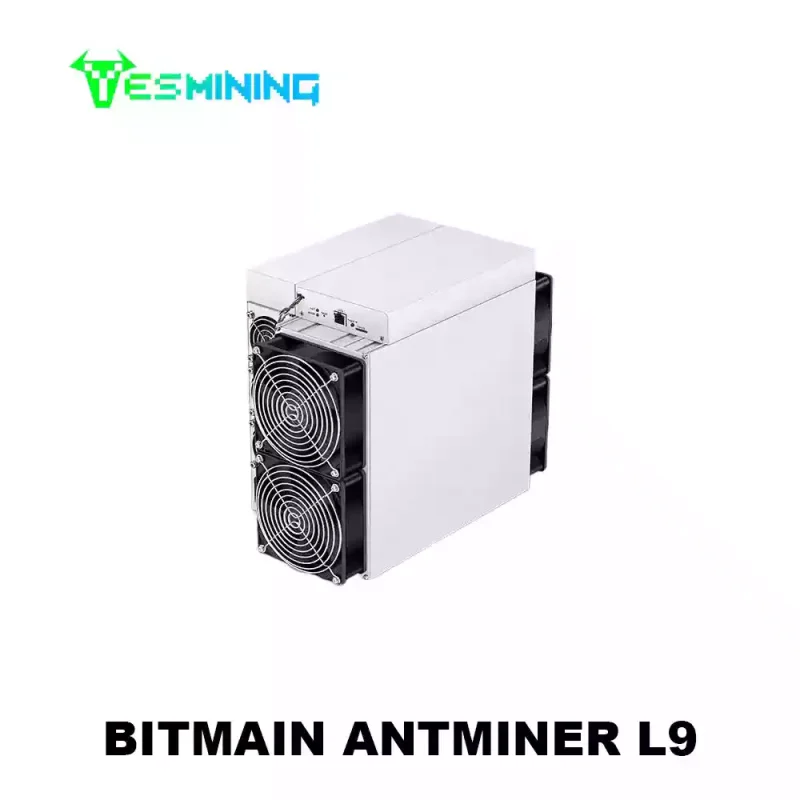
Overview: The Antminer L9 is positioned as an entry-level Scrypt ASIC with solid efficiency for home and small-scale miners. It’s best suited for users prioritizing ease-of-use and a lower upfront cost.
Overview: The L9 Hyd introduces hydro cooling which allows higher hashrate at improved thermal stability. This model is for miners who want a compact, more powerful unit without stepping up to full immersion systems.
Key specs: ~27 GH/s, hydro-cooled — good balance for mid-tier operations.
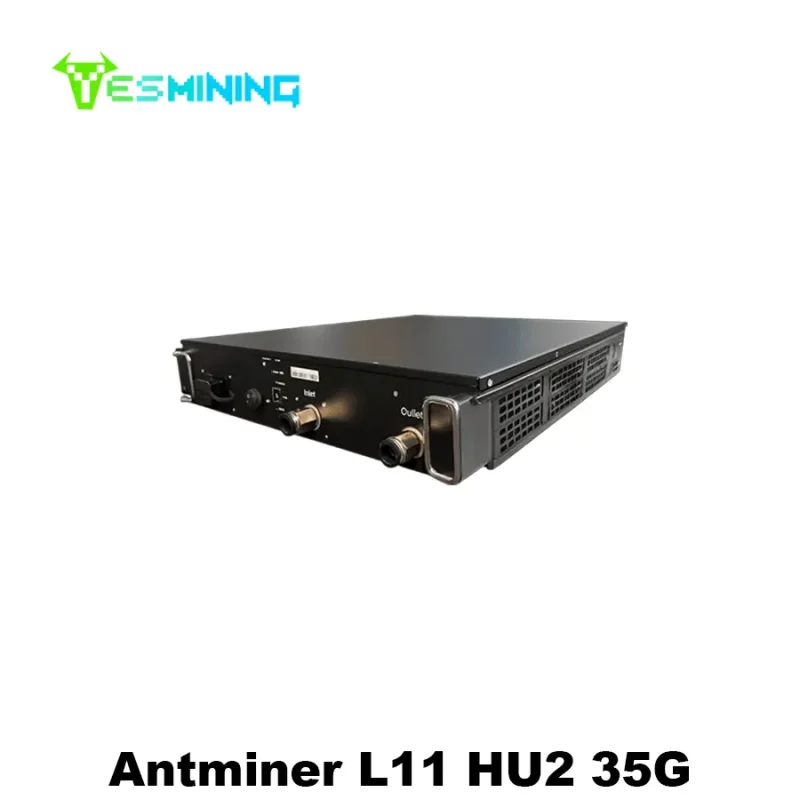
Overview: The L11 Hyd targets professional deployments. With higher hashrate and hydro/immersion readiness, it’s designed for continuous operation in optimized cooling environments.
Key specs: ~33 GH/s, hydro/immersion-capable — built for farms seeking high density and reliability.
Overview: The Fluminer L1 Pro is a compact, budget-friendly unit ideal for hobbyists or those experimenting with LTC/DOGE mining. It’s simple to deploy and has low power draw.
Key specs: ~6 GH/s, air-cooled — best for testing and low-scale mining.
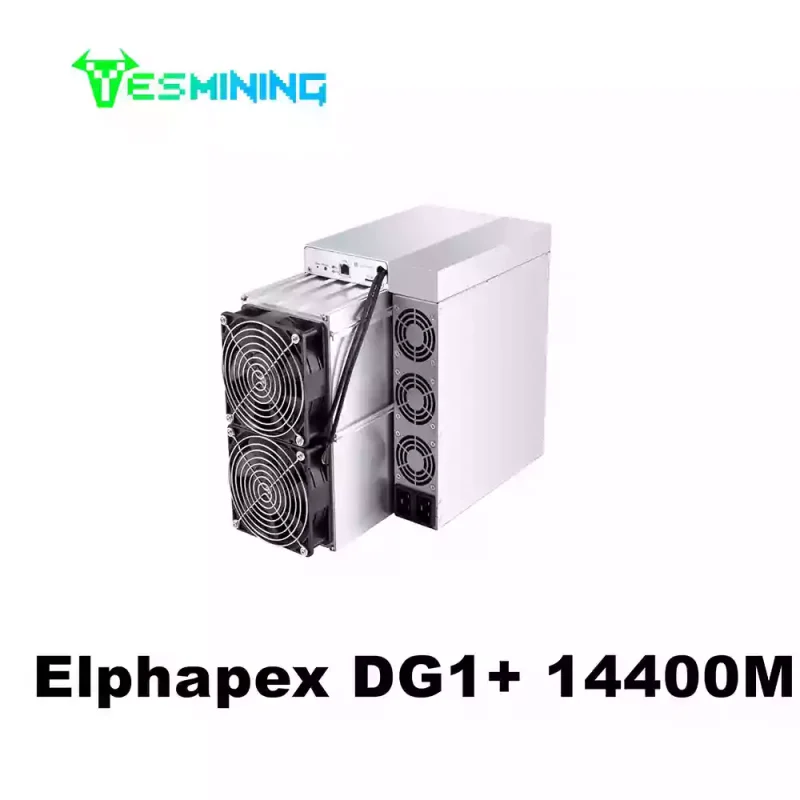
Overview: The Elphapex DG1 occupies a high-performance niche with aggressive specs and advanced firmware options. It’s targeted at operators who want competitive hashrate and management features.
Key specs: ~14.4 GH/s equivalent (14,400 MH/s), air-cooled — a premium option for performance-first setups.
Quick reference table to compare the core specs and target use case.
Model
Hashrate (approx.)
Cooling
Best for
Antminer L9
17 GH/s
Air
Entry-level / hobbyists
Antminer L9 Hyd
27 GH/s
Hydro
Mid-scale operators
Antminer L11 Hyd
33 GH/s
Hydro / Immersion
Professional farms
Antminer L11 Pro
21 GH/s
Air
Semi-pro / small farms
Fluminer L1 Pro
6 GH/s
Air
Hobbyists / entry testing
Elphapex DG1+
14.4 GH/s (14,400 MH/s)
Air
High-performance niche
Practical setup & cooling options
Your cooling choice has major impact on performance, noise, and total cost of ownership:
Air-cooled deployments
Best for small operations and hobbyists. Air setups require careful rack spacing and adequate ventilation. Noise can be a limiting factor for residential use.
Hydro / water-assisted cooling
Hydro models (e.g., L9 Hyd, L11 Hyd) use direct water or looped heat exchange to remove heat efficiently. Hydro reduces noise and lets units run at higher hashrates without thermal throttling.
Immersion-ready farms
For large-scale operations, immersion cooling offers the best thermal transfer, densification, and lifecycle benefits. If you plan to scale to dozens or hundreds of units, evaluate immersion-compatible models early.
Tip: incorporate heat reuse (space heating or hot-water loops) where local regulations and infrastructure permit — this improves overall site economics.
Common Mistakes To Avoid
Ignoring electricity price: Low hashrate with high power cost quickly erodes margins — always model kWh cost vs expected payout.
Skipping firmware & monitoring: Remote monitoring and modern firmware reduce downtime and improve efficiency.
Under-provisioning cooling: Cheap fans or undersized heat exchangers cause throttling and shorten hardware life.
Buying without support: Choose vendors with warranty options and reliable supply chains.
ROI, Operating Cost And Profitability
Return on investment depends on hashrate, power draw, uptime, local electricity rates, and coin price. As a best practice:
Use an up-to-date mining profitability calculator — input model-specific GH/s and actual power draw.
Model conservative coin prices and difficulty increases for a 12–24 month horizon.
Factor in infrastructure: power delivery, cooling systems, and maintenance.
Example: moving from a 17 GH/s air-cooled unit to a 27 GH/s hydro-cooled unit can increase net hash capacity while potentially lowering per-GH energy cost, improving breakeven times when electricity rates are favorable.
FAQ
Q: Which model is best for a first-time miner?
A: The Antminer L9 (17G) or the Fluminer L1 Pro (6G) are ideal entry choices due to lower upfront cost and straightforward air-cooled setup.
Q: Are hydro and immersion worth the additional cost?
A: For multi-unit, long-term operations, yes. Hydro and immersion reduce thermal wear and allow higher sustained hashrates which improves long-term ROI.
Q: Where should I buy these miners?
A: We recommend purchasing from reputable suppliers. You can browse and compare models directly at the YesMining Shop.
Q: How often should I service hydro/immersion systems?
A: Check fluids and filters every 3–6 months and replace seals and worn parts annually depending on usage and environment.
Conclusion & Where To Buy
Choosing the best Scrypt ASIC in 2025 means aligning your budget, cooling strategy, and long-term plan. For hobbyists and first-time miners, the Fluminer L1 Pro or Antminer L9 are sensible. For mid-scale or professional farms, consider hydro-capable models like the L9 Hyd, L11 Hyd, or higher-performance options such as the Elphapex DG1+.
Explore up-to-date pricing, stock and warranty options at YesMining Shop. Our team can advise on optimal configurations, bulk ordering, and site planning for large deployments.


















 Bitmain
 Iceriver
 Bitdeer
 BOMBAX
 DragonBall
 Elphapex
 Fluminer
 Goldshell
 iBelink
 Ipollo
 Jasminer
 Volcminer
 Bitcoin(BTC) Miner
 Aleo Miner
 CKB Miner
 ETC Miner

 Kaspa(KAS) Miner


 Siacoin(SC) Miner