You face a unique challenge in 2025. The crypto market moves slower than before, with fewer buyers and longer waiting times, even when you price assets below value. Traditional methods may not work, so you need flexibility and creativity to balance coin holding & mining rigs in 2025. Relying on only holding cryptocurrency or only mining leaves you exposed. The dual engine approach—combining coin accumulation with mining—lets you hedge risks, capture income, and cross cycles. This method helps you adapt as the market shifts, making your crypto investments more resilient.
Key Takeaways
Combine coin holding with mining operations to reduce risk and increase profits in changing markets.
Adjust your strategy for bear and bull markets by holding coins during downturns and scaling mining during upswings.
Monitor market signals and mining performance regularly to make smart decisions and stay ahead.
Diversify your crypto investments and mining setups to protect against losses and capture more opportunities.
Rebalance your portfolio often and set clear goals to avoid emotional decisions and maximize returns.
Balance Coin Holding & Mining Machines in 2025
Why Balance Matters
You need to balance coin holding & mining machine in 2025 because the crypto market has become more competitive and unpredictable. Electricity costs, hardware efficiency, and market prices all affect your mining profits. Mining pools and cloud mining services let more people join, but they also increase centralization. You must decide when to hold your mined coins and when to sell, especially with Bitcoin’s halving and price swings. Altcoin mining gives smaller operators a chance to stay profitable, offering lower difficulty and energy needs. By finding the right balance coin holding & mining rigs in 2025, you can manage risks and improve your returns.
Dual Engine Approach: Coin + Machine
The dual engine approach means you combine coin holding with mining operations. Instead of choosing only one, you use both to create a stronger strategy. This method lets you hedge against market drops and capture gains during upswings. For example, holding 50% of your mined coins while running efficient mining rigs can nearly triple your profits if the crypto price rises. Investing in better mining hardware may take longer to break even, but it pays off more when the market improves. The dual engine approach also helps you build a financial cushion during downturns, so you are ready for the next bull run.
Bear Market Strategies
Holding Cryptocurrency in a Downturn
You may feel uncertain when the market turns bearish. Holding cryptocurrency during a downturn brings both risks and opportunities. The value of crypto can drop quickly, and you might see your portfolio shrink. Bitcoin and other cryptocurrencies often show much higher volatility than traditional currencies. For example, Bitcoin can be about thirty times more volatile than the US dollar or euro. This makes it less reliable as a store of value when prices fall.
- Bad news and negative sentiment can cause sharp drops in crypto prices.
- Bitcoin does not always act as a safe haven. During some crises, it fell along with other risky assets.
- You may face amplified losses if you hold through a bear market, especially if you react emotionally to news.
- Despite these risks, holding cryptocurrency can still offer potential rewards. Crypto has shown strong returns in past cycles, and it can help diversify your investment portfolio.
Note: If you decide to hold, set clear goals and limits. Avoid panic selling. Use this time to research and plan for the next cycle.

Mining in Bear Markets
Crypto mining becomes more challenging when prices drop. Lower prices mean lower mining profitability, but you can still find ways to benefit. Many miners leave the market during downturns, which reduces competition and can lower mining difficulty. This gives you a chance to earn more coins if you keep your operations running.
Historical data from traditional mining industries shows that mining stocks often perform well during broad market declines. For example:
During the Great Depression, Homestake Mining stock rose 49% while the Dow Jones fell 89%.
In the 1973-1974 bear market, gold mining stocks soared even as the S&P 500 dropped.
Gold miners have often outperformed the general market during downturns.
You can apply similar strategies in cryptocurrency mining. When others exit, you can “bottom-fish” for mining rigs at lower prices. Upgrading your equipment during a bear market can prepare you for the next bull run. You also benefit from lower electricity costs if demand drops. By focusing on efficient hardware and managing your electricity use, you can improve your mining profitability even when prices are low.
Hedging and Risk Management
Bear markets test your ability to manage risk. You need to protect your capital and keep your crypto mining business running. Hedging strategies help you reduce losses when prices fall. Many investors use diversification, risk budgeting, and managed volatility to limit their exposure.
Diversify your crypto mining and coin holdings.
Use risk budgeting to decide how much to invest in each area.
Monitor your mining profitability and adjust your strategy as needed.
Bull Market Strategies
Crypto Gains from Holding
You can see strong gains when you hold cryptocurrency during a bull market. As prices rise, the value of your crypto portfolio increases. Many investors choose to hold their coins instead of selling early. This approach lets you benefit from capital appreciation. You may notice that cryptocurrency often outperforms traditional assets in bull runs. Bitcoin and other coins can double or triple in value within months.
You should watch for signs of overbought conditions. Technical indicators, such as the Fear/Greed Index, can show when the market feels too optimistic. When this index reaches high levels, it often signals that a correction may come soon. You can use this information to decide when to take some profits or hold for longer gains.
Scaling Crypto Mining
Bull markets create new opportunities for scaling your mining operations. As cryptocurrency prices rise, mining profitability improves. You can earn more from each coin you mine. Many miners choose to expand their setups by adding more mining rigs or upgrading to more efficient hardware. This strategy can boost your overall profitability.
You should also consider the cost of electricity. Higher mining activity can increase demand for electricity, which may raise your expenses. Efficient mining hardware uses less electricity and produces more output. You can compare different mining setups to find the best balance between cost and performance.
You can diversify your mining across different coins and algorithms. This reduces your risk if one cryptocurrency becomes less profitable. Crypto mining pools let you combine resources with other miners, which can stabilize your income.
Cycle Crossing and Cashing Out
You can maximize your returns by mastering cycle crossing and knowing when to cash out. Bull markets do not last forever. You need to recognize when the market reaches a peak. Market experts, such as Ed Yardeni, predict new highs for major indexes, but they also warn about corrections after strong rallies. You can use technical indicators, sentiment gauges, and economic data to spot these turning points.
Market cycles show clear lows and highs. Recent troughs often signal the start of a new bull run.
Earnings cycles move with economic activity. Improving earnings support higher asset prices.
Technical signals, like the market clearing key retracement levels, point to new highs but also warn of corrections.
The Fear/Greed Index can reach extreme bullishness before a correction.
Sector rotation and shallow corrections offer chances to optimize your entry and exit points.
You can capture triple returns in a bull market:
Capital Appreciation: The value of your cryptocurrency rises as the market climbs.
Mining Output: Increased mining profitability means you earn more coins.
Machine Residual Value: Mining rigs hold higher resale value when demand surges.
You should plan your cashing out strategy. Sell some coins when the market shows signs of overheating. Reinvest part of your profits into new mining rigs or more efficient hardware. This approach helps you cross cycles and prepare for the next market phase.
Dynamic Adjustment
Monitoring Market Signals
You need to monitor market signals to adjust your balance between coin holding and mining. Real-time data helps you make informed decisions. You can track hash rate to measure mining rig performance and efficiency. Watch accepted and rejected shares to spot mining stability or pool issues. Block rewards and payout history show your mining profitability over time. Mining difficulty changes signal shifts in mining conditions. Mining pool dashboards give you instant statistics on your mining performance. Third-party mining profitability calculators estimate your earnings based on hash rate, power use, electricity cost, mining difficulty, block reward, and current market prices. You should also monitor hardware parameters like GPU temperature, load, fan speeds, voltage, and clock rates. These signals help you decide when to adjust your mining rigs, switch pools, or shift your coin holdings to maximize profitability.
Rebalancing Crypto Investments
You must rebalance your crypto investments to manage risk and capture opportunities. Studies show that dynamic, threshold-based rebalancing outperforms fixed schedules. For example, adjusting your portfolio when your crypto allocation moves beyond set limits can reduce transaction costs and control volatility. Monthly rebalancing lowers risk, while yearly rebalancing can boost returns. Advanced techniques like kurtosis minimization use hourly data to optimize for high volatility and skewness in the crypto market. Regular, dynamic rebalancing helps you respond quickly to market swings. Diversification also plays a key role. Spread your investments across different coins, sectors, and market caps. Use stop-loss and take-profit orders to automate risk control. Review your portfolio often to keep it aligned with your goals. Avoid emotional trading by sticking to your plan. These steps help you build a resilient crypto portfolio and adapt to changing mining conditions.
Diversification & Risk Control
Crypto Portfolio Diversification
You can reduce your risk and improve your returns by diversifying your crypto portfolio. When you spread your investments across several cryptocurrencies, you avoid relying on the success of just one asset. Backtesting shows that even a small 3% allocation to a mix of top crypto assets in a broader portfolio can boost risk-adjusted returns. Sharpe ratios increase, and returns rise from 18.38% to 22.03%. Drawdowns stay close to benchmark levels, so you do not take on much extra risk. Academic research also finds that adding assets like Bitcoin and Ethereum to traditional portfolios improves risk-adjusted returns and provides hedging benefits. By holding a range of cryptocurrencies, you capture different market trends and avoid overexposure to any single coin. This approach helps you manage volatility and make better investment decisions.
Diversifying across multiple cryptocurrencies reduces the impact of any single asset’s poor performance.
A well-diversified crypto portfolio can capture more opportunities and provide stability during market swings.
Diversification acts as a hedge against volatility, supporting consistent returns for long-term investors.
You can balance coin holding and mining rigs in 2025 by following a few key steps:
Use the dual engine approach to combine coin accumulation with mining operations.
Hedge risks by adjusting your strategy for both bull and bear markets.
Monitor market signals and rebalance your portfolio regularly.
Choosing the right mining hardware can help you earn more from Bitcoin, LTC, or Doge coins. In 2025, you have many strong options. The table below shows the Top ASIC models.
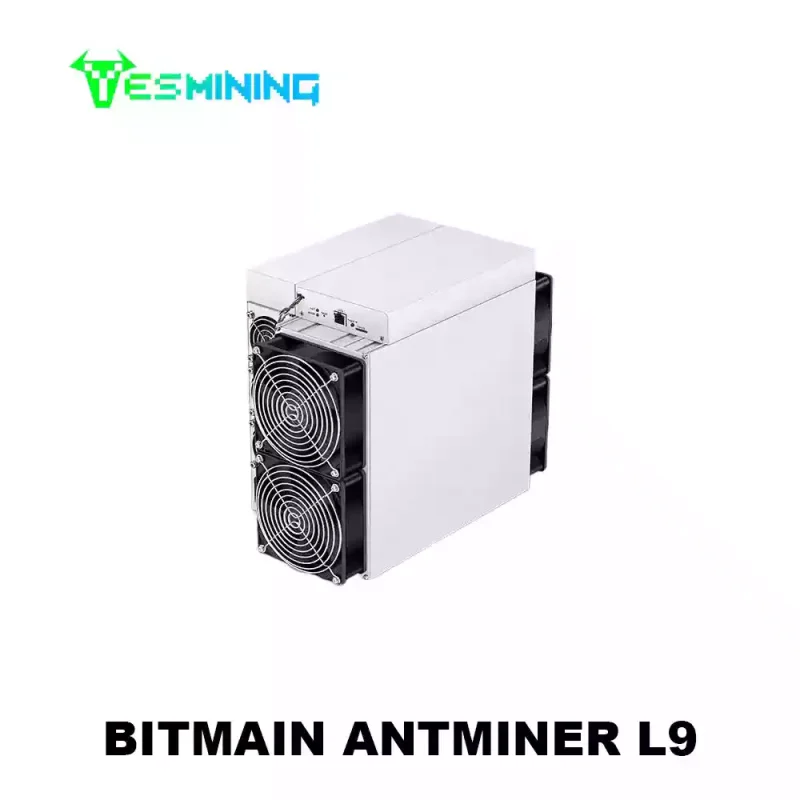
Antminer L9 16G
You get high speed and low power use with the L9 16G. This energy-efficient mining machine works well for both home setups and a mining farm. You can find more details on the L9 16G product page.
Elphapex DG1+ 13G
DG1+ 13G gives you strong performance and good efficiency. Many miners use it for a Bear Market Mining Setup. You can check specs on the DG1+ 13G product page.
Fluminer L1 5.3G
Fluminer L1 5.3G uses less power and fits small spaces. This mining hardware works well if you want to mine ltc coin or doge coin. See more on the Fluminer L1 5.3G product page.
Antminer U3S21EXPH 860T
U3S21EXPH 860T stands out with a high hashrate. You can use it in a large mining farm for steady bitcoin rewards. Visit the U3S21EXPH 860T product page for more info.
Antminer S21 XP HYD 473T
S21XPhyd 473T offers a balance of speed and efficiency. This asic works well in many mining setups. Learn more at the S21XPhyd 473T product page.
Antminer S21 XP 270T
S21 xp 270T gives you reliable mining hardware for long-term use. Many miners choose it for its stable output. Details are on the S21 xp 270T product page.
FAQ
What is the main benefit of combining coin holding and mining?
You can hedge against market swings. Holding coins lets you gain from price increases. Mining provides steady income, even when prices drop. This dual approach helps you manage risk and build wealth over time.
How often should you rebalance your crypto portfolio?
You should review your portfolio monthly. Adjust your holdings if your allocations move outside your target range. Regular rebalancing helps you control risk and lock in profits.
Is it safe to buy mining rigs during a bear market?
Yes, you can often find mining rigs at lower prices during a bear market. Fewer miners compete, so you may earn more coins. Always check hardware efficiency and electricity costs before buying.
How do you know when to cash out your coins?
Watch for signs like extreme market optimism or technical indicators showing overbought conditions. Set clear profit targets. You can sell part of your holdings when the market reaches your goals.


































 Bitmain
 Iceriver
 Bitdeer
 BOMBAX
 DragonBall
 Elphapex
 Fluminer
 Goldshell
 iBelink
 Ipollo
 Jasminer
 Volcminer
 Bitcoin(BTC) Miner
 Aleo Miner
 CKB Miner
 ETC Miner

 Kaspa(KAS) Miner


 Siacoin(SC) Miner