
 English
  Russian
  Spanish
  French
  German
Blog
Hydro-Cooling VS Air-Cooling: Which Offers Better ROI for Bitcoin Miner Investors
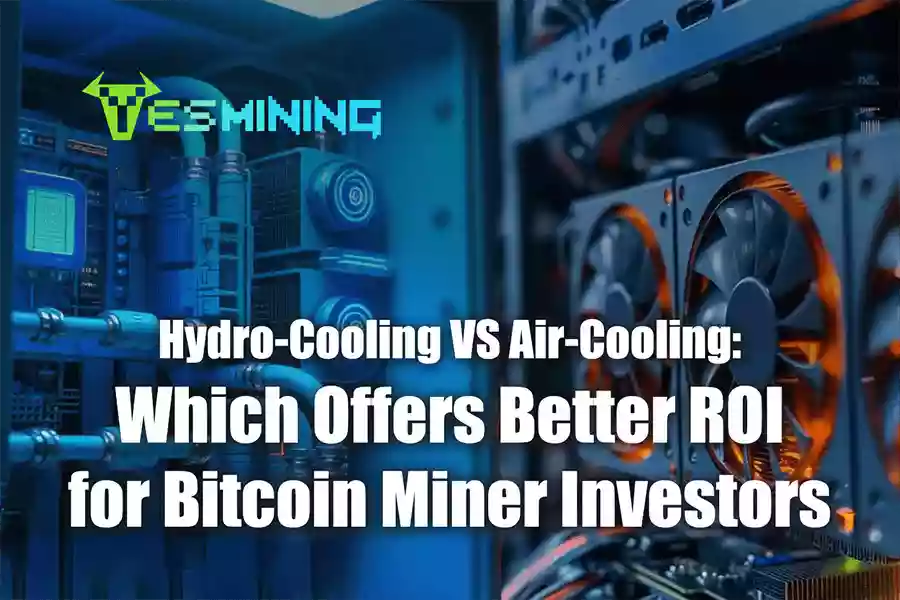
In 2025, hydro-cooling miners will play a bigger role in Bitcoin investing, especially for large-scale operations. These miners use less energy, produce less noise, and have a longer lifespan. For those involved in smaller cryptocurrency investments, air cooling remains a popular choice due to its lower cost and suitability for home setups. Effective cooling technology is essential for maximizing earnings by reducing power bills and extending the life of mining equipment. As Bitcoin mining becomes more challenging, selecting the right cooling method is key to succeeding in Bitcoin investing and the broader cryptocurrency market.
Key Takeaways
Hydro-cooling miners use less energy and make less noise. They also last longer. This makes them great for big bitcoin mining farms.
Air-cooling miners cost less at first and are simple to set up. They work well for small or home mining setups.
Hydro cooling helps mining work better by keeping things cool. This makes the hashrate go up and power bills go down.
You must do regular maintenance, whether you use Hydro-cooling or Air-cooling Miner.
Choose your cooling method based on the size of your mining operation. Consider your current situation and long-term plans.
ROI Comparison
Hydro-Cooling vs Air-Cooling
When you look at hydro-cooling and air-cooling miners, you notice a big difference in how they work for large bitcoin mining. Hydro cooling uses liquid to keep miners cool. This lets you fit more miners into a small area. It also makes the miners quieter and more efficient. This is great for big mining farms. Air cooling uses fans to move heat away. It works best for small or home miners. Air cooling is simple to set up and costs less at first. But it can get loud and hot if you try to use it for bigger setups.
Here is a table that shows how these cooling systems compare in payback time and total cost:
Aspect | Hydro-cooling (Immersion) Miners | Air-cooling Miners |
|---|---|---|
Operational Cost | Similar or lower operational costs | Standard operational costs |
Infrastructure Cost Savings | ~38.7% savings per MW build-out | No specific savings |
Power Density | 2-4x increase per rack | Standard density |
Capacity and Uptime | 1.72x capacity increase; improved uptime | Standard capacity and uptime |
Electrical Efficiency | Enhanced, reduces payback period | Standard electrical efficiency |
Maintenance Costs | Reduced due to less dust | Higher due to dust/debris |
Noise Levels | Greatly reduced | Higher noise levels |
Payback Period | Potentially shorter | Longer payback period |
Total Cost of Ownership | Lower at scale | Higher at scale |
You can see that hydro cooling is better for big mining farms. It saves money and works more efficiently. Air cooling is still a good pick for small bitcoin mining setups.
Key ROI Factors
Many things affect how much money you make from bitcoin mining. You should think about energy use, how long your hardware lasts, and how much it costs to fix. When you pick mining hardware, think about these important ROI factors:
Electricity cost and energy efficiency
Bitcoin price and mining difficulty
Hardware lifespan and cooling system performance
Initial and ongoing cost, including maintenance
Hashrate and power consumption
Space and noise requirements
Liquid cooling helps keep miners at a steady temperature. This makes them last longer and helps you earn more. Air cooling works well in cool places or for small mining. But it may not be as good for big mining farms. To get the best results, choose the cooling method that fits your mining goals and where you mine.
Bitcoin Mining Cooling Methods
How Air Cooling Works
Air cooling is a simple way to keep asic miners cool. Fans blow air over the hardware and move heat away. This works best if there is enough space and good airflow. The popular air-cooling miners like Antminer L9 series and L11 series use strong fans and heat sinks to keep temperatures safe. Air cooling depends on how much cooler the air is than the chips. In cool places, air cooling works well. In hot places, air cooling can have trouble. Miners may slow down to stop overheating.
Air cooling uses lots of air to take away heat.
Fans and heat sinks help keep asic miners cool.
Air cooling is easy to set up and care for in small mining.
Pros and Cons of Air Cooling
Pros | Cons |
|---|---|
Not as good for big mining setups | |
Simple technology | Fans need extra power |
Easy to maintain | Medium costs for fixing |
Good for small mining setups | Not great for saving heat or being green |
Air cooling costs less at first and is easy to start. It works well for home or small mining. But fans use more power and may not cool well in crowded or hot places. Air cooling does not help with saving heat, which is important for new bitcoin mining.
How Hydro Cooling Works
Hydro cooling uses water-based coolant to take heat from asic miners. The coolant moves through pipes and water blocks in the hardware. The hot liquid goes to a radiator or chiller and cools down before coming back. Hydro cooling keeps miners at a steady temperature, even when it is hot. You can run more miners in less space and get higher hash rates.
- Liquid cooling uses water or special fluids to take away heat.
- Pumps, pipes, and radiators are part of the cooling system.
- Hydro-cooled asic miners are quiet and use less power for cooling.
Why Miners Choose Hydro Cooling
- Quieter operation: No loud fans, making it ideal for noise-sensitive spaces.
- Superior heat transfer: Liquids dissipate heat more efficiently than air, reducing overheating risks.
- Overclocking potential: Stable temperatures let miners run at higher speeds with less risk of damage.
- Scalability: Supports large-scale farms with dense, space-efficient setups.
Hydro cooling comes with tradeoffs:
- Higher upfront costs: Requires compatible miners, coolant, pumps, and installation.
- Technical complexity: Needs careful setup to ensure proper sealing and flow.
- Maintenance demands: Regular checks for coolant levels, pump function, and leaks are essential to prevent issues.
While hydro cooling is more involved than air cooling, its efficiency, durability, and performance benefits make it the preferred choice for large-scale farms and long-term miners aiming to minimize downtime and maximize returns.
Profitability Factors
Hash Rate Impact
You want your mining to run at the highest hashrate. Air cooling has trouble in crowded setups. Air cannot move heat away fast enough. When miners get too hot, they slow down. This is called thermal throttling. It lowers your hashrate and makes you earn less. Hydro cooling uses liquid to take away heat quickly. Your miners stay cool and work at full speed. You get steady hashrate and better mining results. Immersion cooling is a type of hydro cooling. It covers miners in special fluids. This keeps temperatures even and helps miners reach the top hashrate.
- Air-cooled miners can slow down if they get too hot.
- Hydro-cooled miners stay cool and keep full hashrate.
- Hydro cooling makes mining quieter, cleaner, and more stable.
Energy Efficiency
Energy efficiency is very important for making money in crypto mining. Air-cooled miners use more power. They need strong fans and sometimes air conditioning. This makes your power bills go up. Hydro-cooled miners use pumps that need less energy than fans or AC. Water moves heat better than air. Hydro cooling keeps miners efficient and lowers your electricity costs. You get more bitcoin for every watt you use.
| Miner Model | Cooling Type | Hashrate (TH/s) | Energy Efficiency (J/TH) |
|---|---|---|---|
| Antminer S23 Hydro | Hydro-cooled | 580 | 9.5 |
| Antminer S21 XP Hydro | Hydro-cooled | 473 | 12 |
| Antminer S21 Pro | Air-cooled | 234 | 15.0 |
| Antminer S21XP | Air-cooled | 270 | 13.5 |
Hardware Lifespan
How long your miner lasts affects your profits. Overheating makes parts wear out faster. This means more breakdowns and replacements. Air cooling needs cleaning often to stop dust from building up. Dust can block airflow and cause overheating. Hydro cooling keeps temperatures steady and cuts down on dust. Your miners last longer and need fewer repairs. You spend less on fixing and replacing them. This helps you make more money from mining.
Tip: For the best results, try new models like Antminer L11, L11 Pro, and L11 HYD 6U. These have strong hashrate, high efficiency, and advanced cooling for better crypto mining profits.
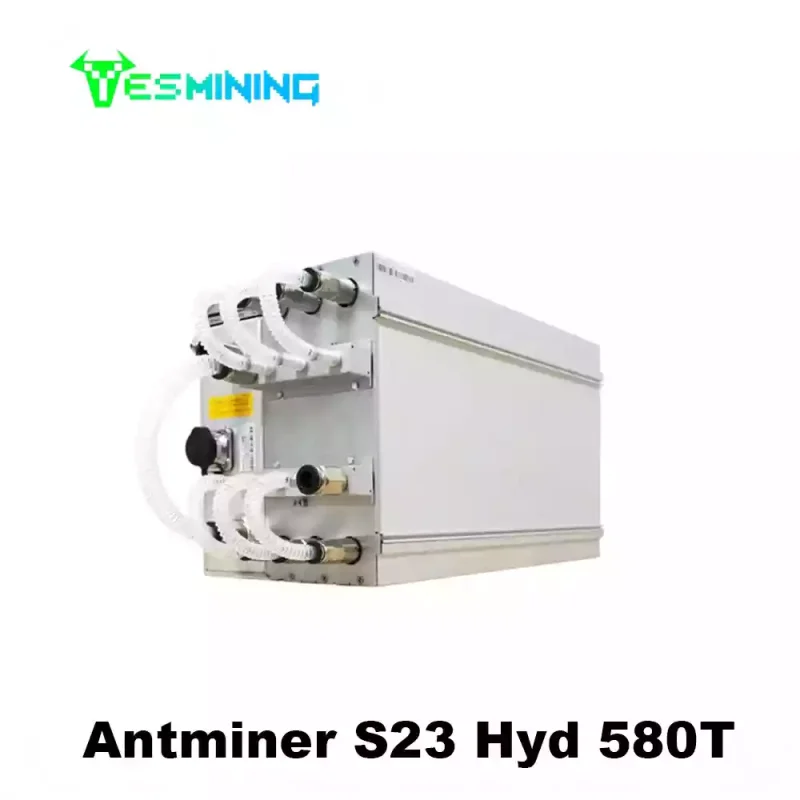
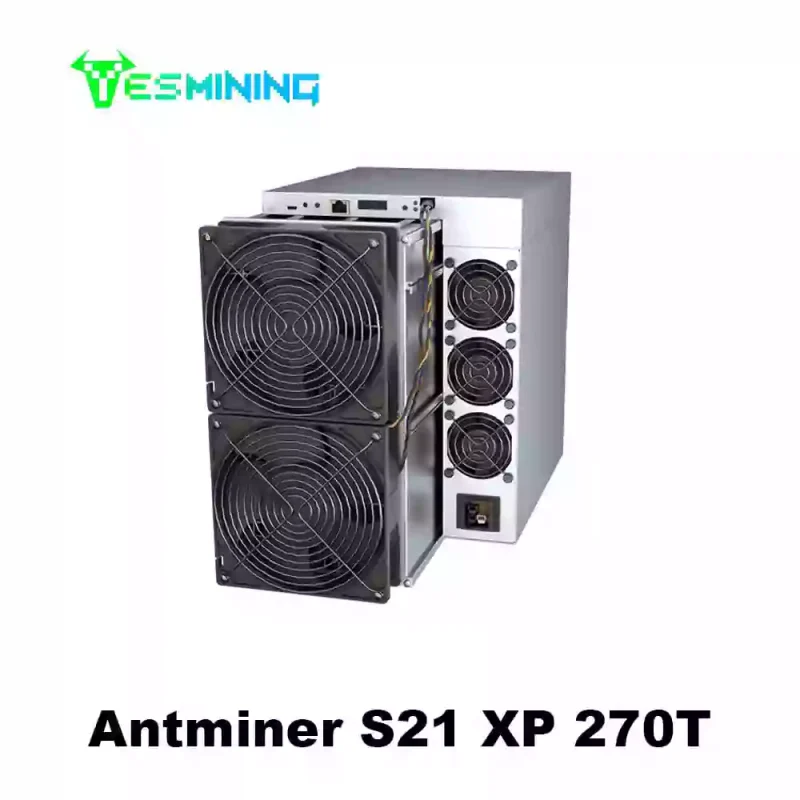
Top Hydro-cooling Miners for 2025:


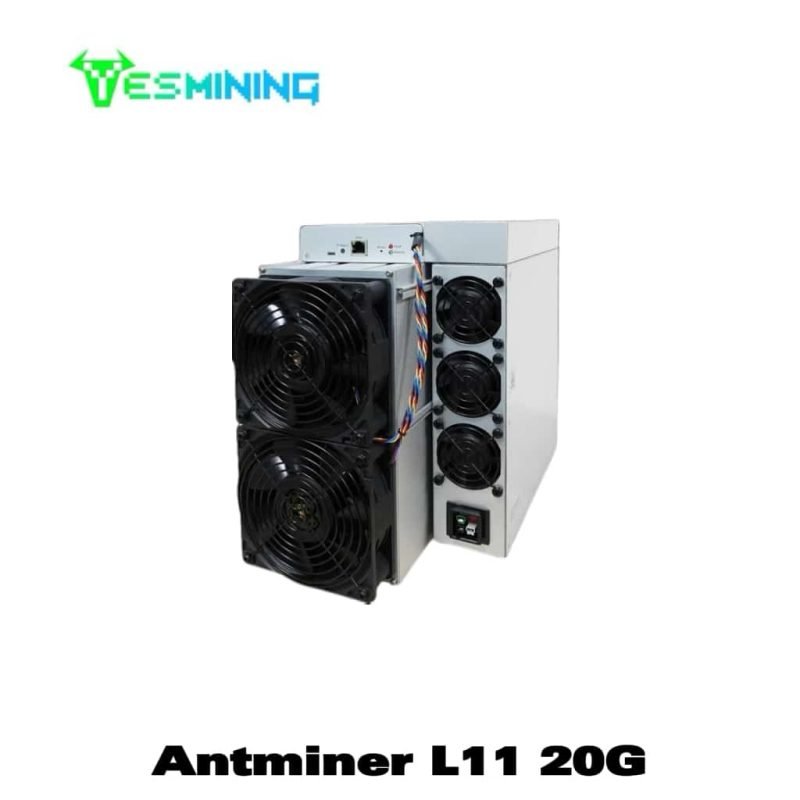
Top Air-Cooling Miners for 2025:

Setup and Maintenance
Cost Comparison
When you set up a bitcoin mining operation, you need to think about the cost of your cooling systems. Air-cooling mining has a lower initial cost. You only need miners with built-in fans and some basic ventilation. If you need extra cooling, a few box fans or an exhaust system will do.This setup works well for home or small-scale miners. You do not need much extra equipment, so your costs stay low.
Hydro-cooled mining needs a bigger investment at the start. You must buy hydro-compatible miners, coolant, pumps, water blocks, pipes, and sometimes chillers. This setup is more complex and costs more money. Over time, hydro cooling can save you money by using less energy and helping your miners last longer. If you plan to run a large mining farm, hydro cooling may give you better value in the long run.
Operational Complexity
Air-cooled setups are simple and easy to install. You just plug in your miners and make sure there is enough airflow. You will need to clean the fans and check for dust often. Air cooling can get noisy, especially if you have many miners running at once. It also needs more space for ventilation.
Hydro-cooled systems are more advanced. You need to connect pumps, pipes, and radiators. You must check the coolant and watch for leaks. Hydro cooling is much quieter than air cooling. You can put more miners in a small space because the cooling is more efficient. This makes hydro cooling a good choice for big mining farms.
Aspect | Hydro-cooling Mining Environment | Air-cooling Mining Environment |
|---|---|---|
Noise | Quiet, only a low hum from pumps and radiators | Loud, like hair dryers |
Dust | Minimal, sealed system | High, needs frequent cleaning |
Facility Needs | Compact, closed-loop cooling, easy to scale | Needs space for airflow, releases heat into room |
Maintenance Needs
For air-cooled miners, dust is a constant foe. Fans draw in air from the room, and with it come particles that build up on fans and heat sinks over time—so regular cleaning is a must: you’ll need to clean your machines every few weeks, sometimes even weekly, especially in dusty environments. Fan failures are also common: these hardworking components wear out over time, and a failed fan can cause overheating or shutdowns. Replacing fans isn’t too difficult, but it takes time and money, so keeping extra fans on hand becomes part of routine maintenance.
For hydro cooling, dust is no longer a concern. The sealed system keeps outside air (and dust) out, meaning no dust buildup and fewer breakdowns. However, hydro systems need a different kind of careful attention. You must regularly check coolant levels, watch closely for leaks, and occasionally clean radiators or cooling towers. Every few months, you’ll also need to flush the system to prevent corrosion or algae growth. Hydro cooling is more technical, but it comes with fewer ongoing issues compared to air cooling.
In short: Air cooling is simple but demands constant upkeep, while hydro cooling is more complex but requires less frequent hands-on work.
Evaluating the Sustained Operation
Long-Term Cost-Effectiveness
If you want to mine bitcoin for a long time, you need to think about more than just the first setup.
You should think about these main costs for both types:
Electricity: Hydro cooling uses less power for cooling. Air cooling needs more energy for fans and sometimes air conditioning.
Maintenance: Air-cooled miners need dust cleaned often. Hydro-cooled miners need you to check the coolant.
Hardware lifespan: Hydro cooling helps miners last longer. This means you mine more and replace miners less.
Scalability: Hydro cooling is better for big farms. Air cooling is good for small setups.
Hydro-cooled miners might look expensive at first. But they save money in the long run and help you earn more. This makes them a smart pick for serious investors.
Energy Efficiency Impact on ROI
Energy efficiency is very important for making money from mining. If you use hydro-cooled miners, you get better mining and lower power bills. These miners, like the Antminer S21 Hydro, handle heat well and keep working fast, even if electricity prices go up. Air-cooled miners, such as the WhatsMiner M60S or AvalonMiner A1466, use more power. They can slow down if they get too hot. This makes you mine less and pay more for power.
Miner Model | Cooling Type | Hashrate (TH/s) | Power Consumption (Watts) | Efficiency (J/TH) | Notes on ROI Impact |
|---|---|---|---|---|---|
Antminer S21 XP Hydro | Hydro-cooled | 200 | 3500 | 17.5 | Higher upfront cost, but better energy efficiency and longer lifespan improve ROI over time. |
WhatsMiner M60S | Air-cooled | 186 | 3441 | 18.5 | Slightly less efficient, higher operational costs when electricity prices rise. |
AvalonMiner A1466 | Air-cooled | 170 | 3315 | 19.5 | Lower efficiency, higher power costs, ROI drops with rising electricity prices. |
For home or urban mining, hydro offers a more efficiency and long-term solution.
Investor Decision Guide
Choosing the Right Miner
The success of your Bitcoin mining operation hinges on aligning your cooling choice with your specific needs—whether you’re a home miner testing the waters or a large-scale investor building a farm. Using data from the ROI comparison table, here’s how to match your scenario to the optimal cooling method:
Criteria | Air-cooling Miners (e.g., Antminer L11, L11 Pro) | Hydro-cooling Miners (e.g., Antminer L11 HYD 6U, S21 Hydro) |
|---|---|---|
Investment Scale | Small, entry-level setups | Medium to large farms |
Location / Climate | Cooler, well-ventilated | Warm, enclosed spaces |
Setup Complexity | Simple, plug-and-play | Needs water cooling system |
Noise Level | Higher | Lower |
Space Needed | More | Less |
Energy Efficiency | Standard | Higher |
1. Small-Scale/Home Mining
For entry-level setups, air cooling aligns perfectly with the table’s insights on simplicity and low upfront cost. Most Air-cooling models require no extra infrastructure—just plug them in and ensure basic ventilation, making them ideal for beginners or tight budgets. Their “standard energy efficiency” works in cooler, well-ventilated homes, where you can avoid costly AC use. While noise levels are higher, this is manageable in garages or dedicated rooms, and weekly dust cleaning (simple maintenance) keeps them running smoothly.
2. Medium-Scale Operations
As you scale, the table’s data on hydro cooling’s advantages becomes critical. While setup is more complex (requiring pumps and pipes), the benefits outweigh the effort: 2–4x higher power density (per the ROI table) lets you fit more miners in limited space, and “higher energy efficiency” slashes long-term electricity bills—especially in warm climates where air cooling would rely on energy-draining fans and AC. Models like the Antminer L11 HYD 6U also reduce noise, making them viable for semi-industrial spaces (e.g., warehouses) without disrupting neighbors.
3. Large-Scale Farms
For industrial operations, hydro cooling is non-negotiable. The table’s “medium to large farms” focus matches their strengths: dense layouts (less space needed) maximize rack efficiency, while lower maintenance frequency (quarterly checks vs. weekly cleaning) reduces downtime. In warm or enclosed spaces, their ability to avoid thermal throttling (thanks to superior heat dissipation) ensures consistent hashrate—critical for profitability. The ~38.7% infrastructure savings per MW (from the ROI table) further solidify hydro cooling as the long-term cost-effective choice.
4. Noise-Sensitive or Residential Areas
If you’re mining in a home, apartment, or quiet neighborhood, the table’s “lower noise level” metric makes hydro cooling essential. Air-cooled miners’ loud fan noise can violate local regulations or strain relationships, whereas hydro cooling’s minimal pump hum stays below typical residential noise limits.
Final Takeaway
Prioritize air cooling for small, simple setups in cool climates, and switch to hydro cooling as you scale, move to warmer areas, or need quieter operation. By aligning with these criteria, you’ll maximize ROI while keeping your operation sustainable and efficient.
Risk and Scalability
You should think about safety and how easy it is to grow your mining setup. Air-cooled miners can get dusty or have fan problems. You can fix these by cleaning often. Hydro-cooled miners have fewer problems, but leaks or pump issues can be harder to fix and may need expert help.
Hydro-cooled miners are better for big mining farms. You can put more miners in a small space and keep them cool. Air-cooled miners work best for small setups. If you add more miners, you might need extra fans or air conditioning, which costs more.
Aspect | Air-cooling Systems | Hydro-cooling Systems |
|---|---|---|
Risk Factors | Dust, fan failure, overheating | Leaks, pump failure, coolant checks |
Scalability | Limited, best for small setups | Excellent, supports large farms |
Maintenance | Simple, regular cleaning | Needs coolant checks, more complex upkeep |
Environmental Impact | More dust, higher noise | Cleaner, quieter, greener |
Note: Pick a miner that matches your goals, local weather, and future plans. This helps you earn more and keeps your mining safe and working well.
You need to choose the right cooling method for your bitcoin mining setup. Hydro-cooling miners, like Antminer L11 HYD 6U and S21 Hydro, give you better energy savings and longer hardware life. Air-cooling miners, such as Antminer L11 and L11 Pro, work well for small bitcoin operations. Think about your mining scale, local climate, and long-term plans before you decide. The right choice helps you earn more and keeps your mining business strong.
FAQ
What is the main benefit of hydro-cooling bitcoin miners?
Hydro-cooling miners keep your machines cooler and quieter. You get better energy efficiency and longer hardware life. This helps you earn more over time, especially if you use models like Antminer S21+ Hydro or L11 HYD 6U.
Are air-cooling miners still a good choice in 2025?
Yes, air-cooling miners work well for small setups or home use. You can start mining quickly with models like Antminer L11 or L11 Pro. These miners are easy to set up and maintain.
How often should you maintain your mining cooling system?
You should check air-cooling miners for dust every week. Clean fans and heat sinks often. For hydro-cooling miners, check coolant levels weekly and look for leaks monthly. This keeps your miners running smoothly.
Which Antminer models are best for new investors?
Try Antminer L9 or L11 for air cooling. Choose U3S21EXP 806T or L11 HYD 6U for hydro cooling. These models offer strong performance, easy setup, and good energy savings.
Can you upgrade from air cooling to hydro cooling later?
You cannot switch air-cooling miners to hydro cooling easily. You need to buy miners designed for hydro cooling if you want to upgrade your setup.
















 Avalon
 Bitdeer
 Bitmain
 BOMBAX
 DragonBall
 Elphapex
 Fluminer
 Goldshell
 iBelink
 Iceriver
 Ipollo
 Jasminer
 Volcminer
 Aleo Miner
 Bitcoin(BTC) Miner
 CKB Miner
 Dash Miner
 Doge<C Miner
 ETC Miner
 Grin Miner
 Handshake(HNS) Miner
 Initverse(INI) Miner
 Kadena(KDA) Miner
 Kaspa(KAS) Miner
 LBRY (LBC) Miner
 Monero(XMR) Miner
 Nexa Miner
 Ravencoin(RXD) Miners
 ScPrime(SCP) Miner
 Siacoin(SC) Miner