Dream of joining the Bitcoin mining revolution, earning coins to the hum of your computer? Eager to learn how to mine Bitcoin and where to begin your journey as a crypto mining expert? Not so fast! One critical question demands an answer: Is Bitcoin mining legal where you live? Not in every country! Some places, like the United States, Germany, and Canada, allow bitcoin mining. Other places, like Egypt and Nepal, do not allow it. Before you start bitcoin or cryptocurrency mining, check your local laws or ask someone who knows. Bitcoin’s regulatory landscape evolves at lightning pace…
Key Takeaways
Look at your local laws before you start mining bitcoin. Rules are different in each country. These rules can change fast.
Pick the best way to mine. Home mining gives you control. Hosted mining is easier. Cloud mining is good for new miners.
Use strong ASIC machines for mining bitcoin. Keep these machines cool and clean. This helps them work well.
Join a mining pool to get bitcoin more often. This lowers the risks of mining alone.
Keep clear records and pay your taxes. Follow safety steps to protect your bitcoin. This helps you stay legal.
Mining Legality and Compliance
Global and Local Legal Status of Bitcoin Mining
Mining cryptocurrencies can feel exciting, almost like finding treasure. But every country has different rules for mining. Some countries welcome bitcoin miners. Other countries do not allow it at all. Look at this table to see where mining is allowed and where it is not:
Crypto mining laws can change quickly. In the United States, you can mine bitcoin. But each state has its own rules. Texas is friendly to miners. New York is more strict. The European Union has new rules for everyone. These rules include MiCA and anti-money laundering laws. China does not allow mining at all. If you mine there, you will get in trouble.
Compliance Strategies and Regional Policy Insights
You do not want to break the law when mining crypto. Here are ways to stay safe:
Use clean energy for your mining rigs. Some countries give rewards for green energy.
Register your mining operation if your country asks for it.
Follow anti-money laundering rules and know-your-transaction policies.
Pay taxes on bitcoin and other cryptocurrency rewards.
Keep records of your mining work and earnings.
Watch for state or regional rules. Some places give tax breaks. Others ban mining.
In the United States, you may need a license. You might have to follow noise rules. You must report your earnings to the IRS. The European Union wants you to track your crypto transactions. They also want you to protect consumers. China bans all crypto mining. China supports its own digital currency. If you want to mine bitcoin, you need to follow the rules. Yesmining says you should always follow the law. This helps you enjoy mining without worry!
Bitcoin Hosting Options
Are you ready to try bitcoin mining? You have four choices. These are home mining, large-scale mining, hosted mining, and cloud mining. Each one is a different way to join the world of cryptocurrency.
Home Mining for Individuals and Hobbyists
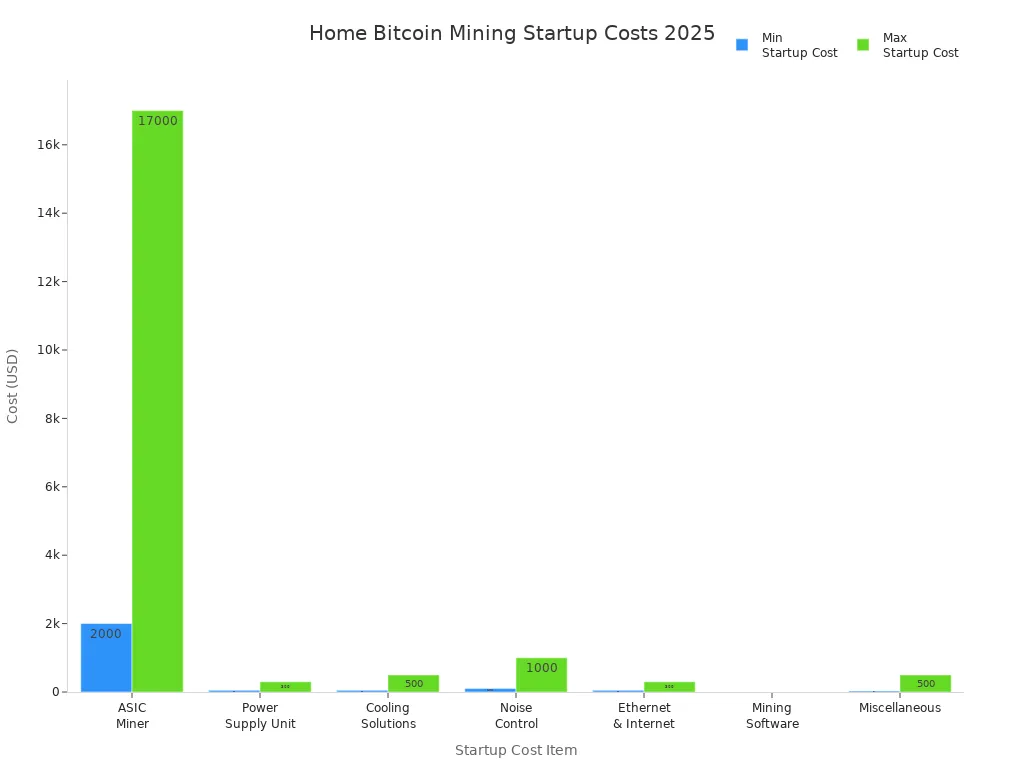
Home mining is like making your own lab. You buy the machines and set them up at home. You hear the machines working all day. You control the hardware and software. You also control the room’s temperature. It can get very hot in summer. Home mining costs a lot at first. ASIC miners are expensive. They can cost from $2,000 to $17,000. You must pay for electricity and cooling. You may need to stop the noise too. If your miner breaks, you fix it yourself. Home mining gives you full control. It is exciting, but it is hard work and costs a lot.
Large-Scale Mining for Enterprises
Large-scale bitcoin mining is like running a big factory. You need a warehouse and many ASICs. You use lots of electricity. These places use special cooling and software. Some use green energy. The power bill is very high. But you can earn a lot. Big companies must follow strict rules. They must register as businesses. They report everything they do. They must follow environmental and zoning laws. Large-scale mining is not for beginners. It helps shape the future of crypto mining.
Hosted Mining for Investors Seeking Convenience
Cloud Mining for Beginners and Low-Budget Users
Cloud mining is the easiest way to start. You rent hash power from a provider. You do not need hardware. There is no noise or heat. You sign up and pick a contract. Then you wait and hope to earn bitcoin. Cloud mining is easy for beginners. It is good if you do not want to spend much money. But be careful! Some cloud mining sites are scams. Always read reviews and check if they are honest. Profits can be lower because of fees. You have less control. Still, cloud mining is a good first step for many people.

Getting Started with Bitcoin Mining
How to Mine Bitcoin
You want to jump into bitcoin mining. You dream of earning bitcoin while your computer hums away. You wonder how to mine bitcoin and where to begin. Grab your favorite snack and follow these steps. You will soon become a crypto mining wizard!
Pick Your Hardware
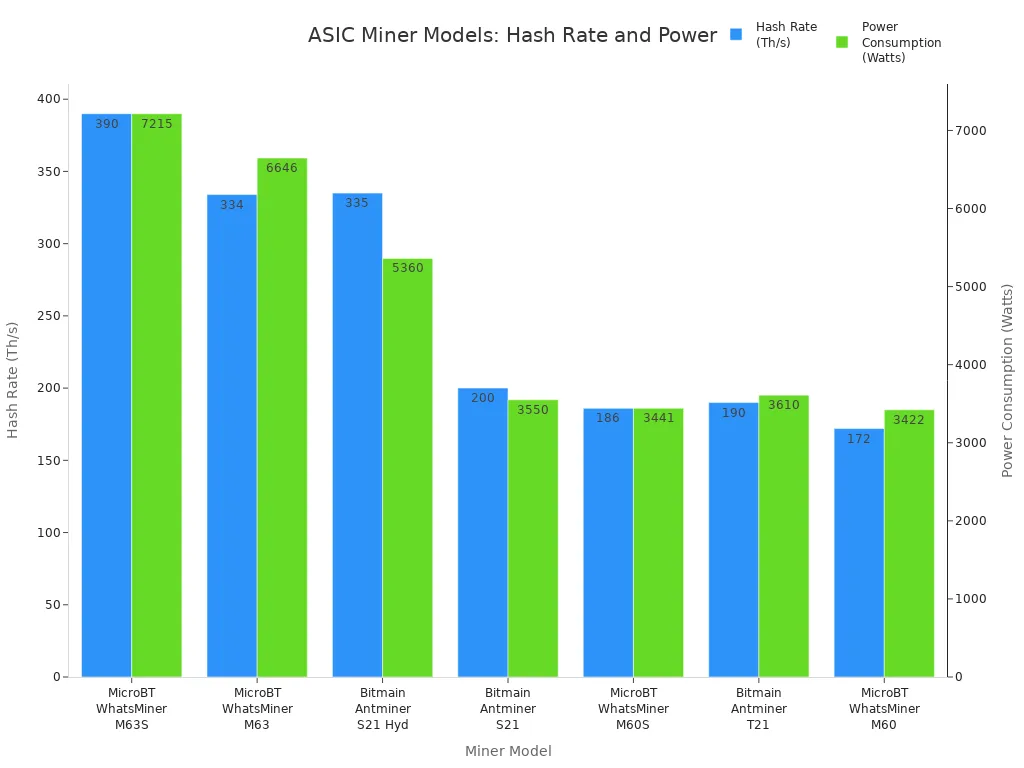
You need powerful machines. ASIC rigs work best for bitcoin. GPUs also help, especially for mining cryptocurrencies other than bitcoin. ASICs like the Antminer S21 or WhatsMiner M63S rule the scene in 2025.
Plan for Electricity
Mining eats electricity like a hungry monster. Check your local rates. Cheap power means more bitcoin in your wallet. High bills can gobble up your mining profitability.
Choose Mining Software
Your hardware needs a brain. Install software like CGMiner, MultiMiner, or EasyMiner. These programs connect your rig to the bitcoin network and manage your mining.
Set Up a Wallet
You need a safe place for your bitcoin. Use a secure cryptocurrency wallet. Hardware wallets keep your coins safe from hackers.
Join a Mining Pool
Solo mining feels like searching for treasure in a desert. Pools let you team up with other miners. You share rewards and get paid more often.
Manage Heat and Noise
Mining rigs get hot and loud. Place them in a cool, quiet spot. Use fans or immersion cooling to keep things chill.
Track Your Earnings and Taxes
Keep records of your mining rewards. Use crypto tax calculators. Pay your taxes so you can mine without worry.
Research and Stay Legal
Check local laws. Make sure your mining operation follows all rules. Stay updated on regulations.
Mining Equipment (ASICs, GPUs)
You stare at the shelves. ASICs and GPUs blink at you. Which one should you choose for bitcoin mining? ASICs are the superheroes of mining cryptocurrencies like bitcoin. They work fast and use less power. GPUs are the sidekicks. They help with mining cryptocurrencies that need more flexibility.
New ASIC miners cost between $9,000 and $11,000. Older models like the Antminer S19 Pro can be found for $1,600. If you want to start small, grab a used ASIC or a high-end GPU like the NVIDIA GeForce RTX 3090 or AMD Radeon RX 6800 XT. These GPUs shine in mining cryptocurrencies other than bitcoin.
Energy efficiency matters. The Antminer S21 XP Hydro leads with 12 J/TH. Lower numbers mean less power for more bitcoin. Cooling is key. Immersion cooling keeps your rigs cool and quiet. You want your mining equipment to last for years.
Choosing the Right Mining Pools
You stand at the crossroads. Should you mine alone or join a mining pool? Solo mining gives you full control. You keep all the Bitcoin rewards. But you need super-powered hardware and cheap electricity. You might wait months for a payout. Pool mining feels like joining a team. You share the work and split the rewards. You get paid more often. Most beginners pick pool mining for a steady income and less risk.
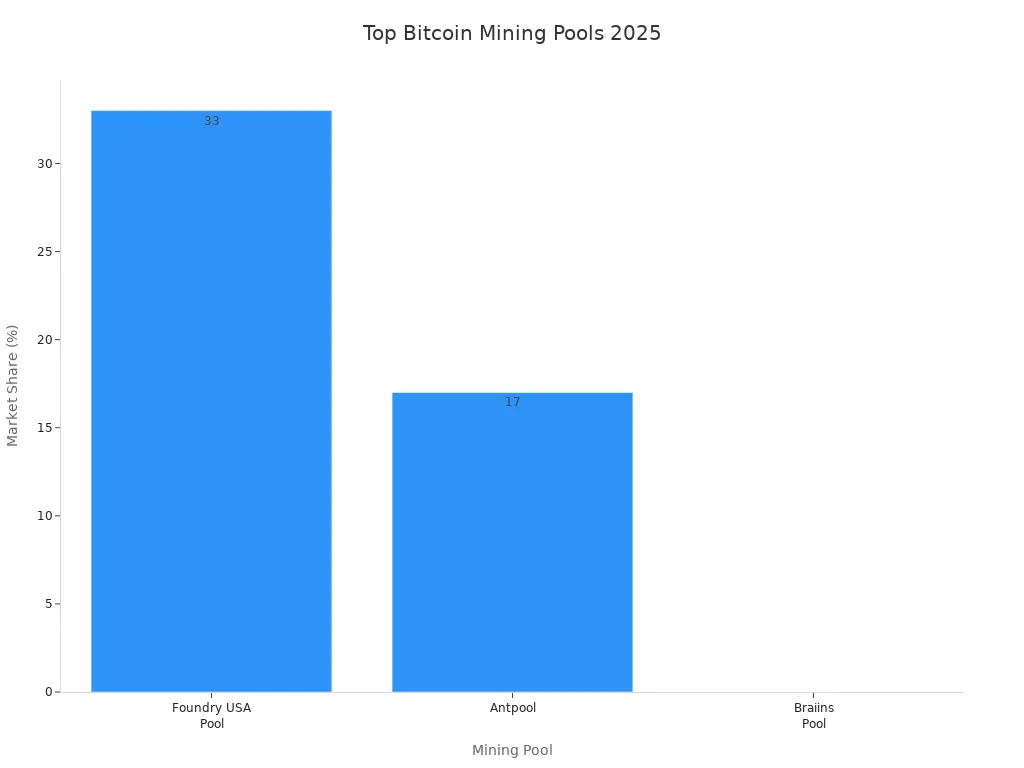
Mining pools use different payout models. FPPS pays you a fixed amount per share, including transaction fees. PPLNS pays based on recent shares, so your rewards can jump up and down. PPS gives steady payouts but is less common. Foundry USA Pool leads the pack with FPPS. Antpool offers both FPPS and PPLNS. Braiins Pool uses PPLNS for miners who love surprises.
Compliance, Taxation, and Security
Tax Reporting
In the U.S., the IRS says bitcoin mining rewards are taxable income when you get them. If you mine as a business, you report your earnings and pay extra payroll taxes. The OECD’s Crypto-Asset Reporting Framework will start soon. Countries like the EU, Canada, and Australia will make you report your cryptocurrency transactions, including mining rewards. Taxes for crypto mining can be confusing. Keep good records and learn your local rules.
Regulatory Risks
Energy deals can change quickly. You must follow utility rules and grid operator protocols.
Grid stability is important. Miners need to work with local utilities and get permits.
Infrastructure problems happen. You need control over your site, power lines, and environmental permits.
AI data centers and bitcoin mining sometimes share space. This brings new rules and risks.
Insurance for mining is new. Gaps in coverage can leave you unprotected.
Stay careful! Illegal crypto mining can mean fines, lost equipment, or worse. Always check your agreements and watch for new laws.
Security
You want to keep your bitcoin safe from hackers. Security protects you. Here are ways to keep your mining operation and cryptocurrency safe:
If you follow these steps, you can mine bitcoin and feel safe. Security and compliance make your cryptocurrency adventure fun and safe.
You just explored the wild world of bitcoin! You learned about bitcoin mining laws, hosting choices, and the gear you need. You saw how mining can bring bitcoin rewards, but you must watch your mining profitability and follow every rule. Want to boost your profit? Start small, join a mining pool, and follow Yesmining for tips. Ask a tax pro about your bitcoin. The future of bitcoin mining looks bright—grab your gear and dive into cryptocurrency mining today!
FAQ
What is bitcoin mining, and why do people do it?
You use computers to solve puzzles. When you win, you get bitcoin as a reward. People love bitcoin mining because it feels like a digital treasure hunt. You help keep the bitcoin network safe and earn coins at the same time. Who doesn’t want treasure?
Can I mine bitcoin on my phone or laptop?
You can try, but your phone or laptop will get hot and tired fast. Bitcoin mining needs special machines called ASICs. These machines work much faster than regular computers. If you use a phone, you might only get a tiny piece of bitcoin—if you get any at all!
How much money can I make with bitcoin mining?
Your profit depends on many things. Electricity prices, bitcoin’s price, and your mining machine all matter. Some people make a lot. Others just get enough for pizza. Use a mining calculator before you start. You want to see if your bitcoin adventure pays off!
Is bitcoin mining safe and legal everywhere?
Nope! Some countries love bitcoin mining. Others say “No way!” Always check your local laws before you start. If you mine bitcoin where it’s banned, you could lose your machines or pay a fine. Stay smart and follow the rules for a happy mining journey.
What happens if bitcoin runs out?
Bitcoin has a limit—21 million coins. When miners find the last bitcoin, no new coins appear. Don’t worry! Miners will still earn rewards from transaction fees. The bitcoin adventure keeps going, just with a new twist.

 English
  Russian
  Spanish
  French
  German












 Avalon
 Bitdeer
 Bitmain
 BOMBAX
 DragonBall
 Elphapex
 Fluminer
 Goldshell
 iBelink
 Iceriver
 Ipollo
 Jasminer
 Volcminer
 Aleo Miner
 Bitcoin(BTC) Miner
 CKB Miner
 Dash Miner
 Doge<C Miner
 ETC Miner
 Grin Miner
 Handshake(HNS) Miner
 Initverse(INI) Miner
 Kadena(KDA) Miner
 Kaspa(KAS) Miner
 LBRY (LBC) Miner
 Monero(XMR) Miner
 Nexa Miner
 Ravencoin(RXD) Miners
 ScPrime(SCP) Miner
 Siacoin(SC) Miner
2 thoughts on “Bitcoin Mining Guide 2025: Laws, Hardware & Strategies for New Miners”
Informative article, just what I was looking for.
Thank you for your kind feedback! I’m happy it was useful for you. We’ll keep sharing valuable insights, so stay tuned for more!