As digital transformation accelerates, Bitcoin’s strategic value is becoming increasingly prominent. Currently, 26 regions worldwide have passed laws to incorporate Bitcoin into government reserve assets.
Actions by U.S. States
Arizona: Two bills have passed the House vote, awaiting the governor’s signature. If approved, it will become the first U.S. state to mandate public funds to invest in Bitcoin:
- SB 1373: Allows up to 10% of public funds annually to invest in Bitcoin and other digital assets.
- SB 1025: Permits state pension systems to allocate up to 10% of funds to Bitcoin.
Texas:
- Passed the Strategic Bitcoin Reserve Bill, aiming to use public funds to hold 500 billion bitcoins, with an initial allocation of 250 million.
- Leveraging cheap energy and pro-crypto policies, Texas has become a hub for ASIC mining, attracting large-scale mining farms. The state’s 2021 blockchain task force also boosted mining hosting services, offering low-cost power and infrastructure to mining companies.
Alabama:
- Proposed bills require reserve assets to have a market cap of $750 billion (only Bitcoin currently qualifies), accept BTC for tax payments, and amend 12 laws to integrate cryptocurrencies. If passed, this could incentivize investments in mining operations, especially renewable energy-powered facilities.
Other States: Ohio, Florida, and others have introduced similar bills allowing Bitcoin investments and crypto payments. Some states are repurposing abandoned power plants into mining farms to utilize idle energy resources.
Key Motivations
- Bitcoin’s fixed supply makes it an inflation-resistant asset, achieving an economic hedging effect.
- Blockchain technology is the future trend, attracting businesses and talents. The state government can promote the integration of local energy and technology industries by supporting ASIC mining and mine construction.
- States hope to be pioneers in cryptocurrency regulation, and derivative services such as mining hosting also bring tax revenue and job opportunities..
Impacts & Challenges
The influx of public funds may boost the demand for Bitcoin and accelerate the adoption of global cryptocurrencies, and the construction of mining farms will promote the local energy economy. However, the energy consumption of ASIC mining has caused environmental controversy, and the fluctuation of Bitcoin prices may affect the profitability of mining farms, and the lack of public awareness may lead to imperfect supervision.
The Ways for Us to Get & Hold Bitcoin in the Long Term
- Buying BTC through a cryptocurrency exchange, eg, Binance, OKX, Coinbase, Kraken, Gate.io, etc.
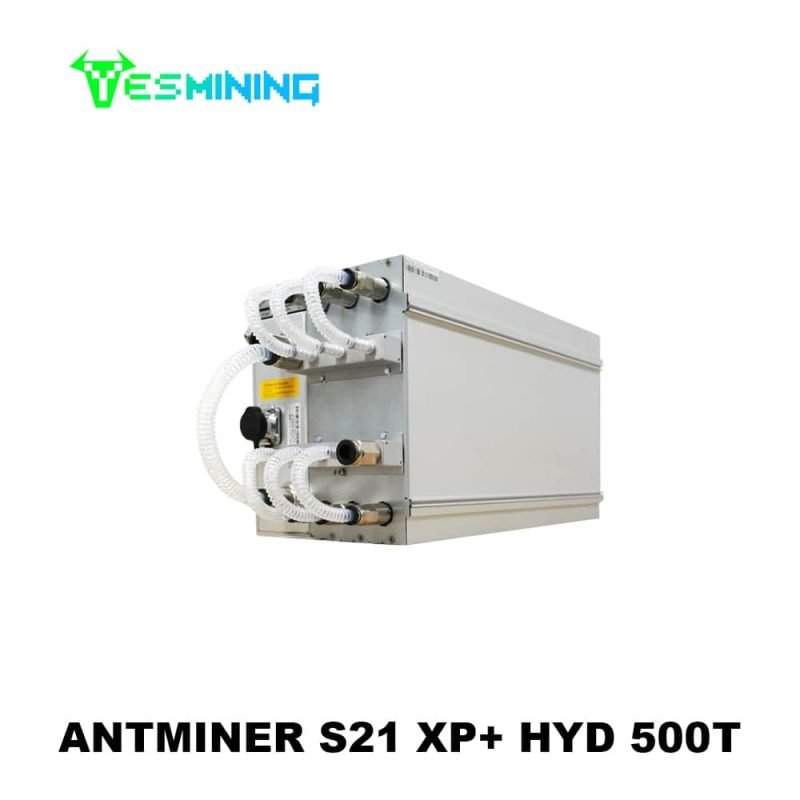
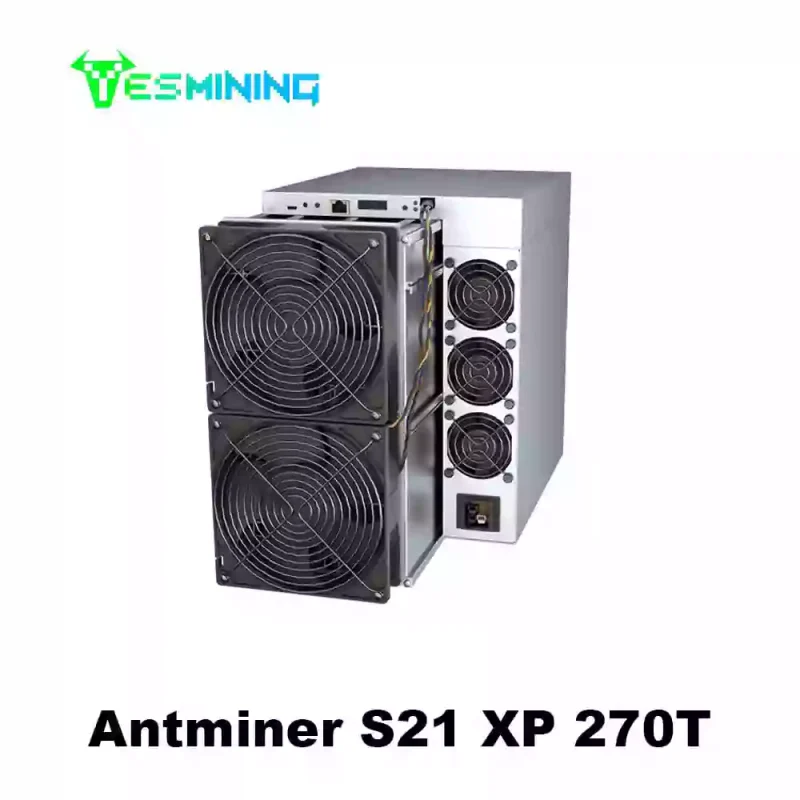
- Self-mining: Through buying a bitcoin asic miner to run at your own place, but asic miner is a high power consumption machine, it requires low electricity fee or free energy at your place. If you looking for asic miner, you can go check our page, yesmining.io, for more details. Recently, these are hot selling models: Antminer S21e XP Hyd 3U 860T, S21 XP+ Hyd 500T, S21 XP 270T, S21+ 235T, S19 XP Hyd 257T, S19kpro 120T.
- Host your miners with a professional mining farm, it’s suitable for people don’t know much of mining or high electricity cost area, through this way you only have to pay electricity fee monthly, mining farm will help you operate the rest, if you are looking for this service, yesmining have different cooperated mining farms, you can contactwith us for more details.
- Cloud mining: renting hashrate to do cloud mining, in this way, you don’t have to buy miners by yourself.
This move marks a milestone in the history of cryptocurrency, integrating financial innovation with strategic decision-making in the United States, and may also lead other countries to join. Its long-term impact will shape the future of the global digital economy.
FAQ
1. Why are governments adding Bitcoin to reserves?
Governments are incorporating Bitcoin into reserves for three key benefits: inflation hedging, economic development, and portfolio diversification. With its fixed supply of 21 million coins, Bitcoin serves as an effective hedge against fiat currency devaluation. It also attracts emerging industries like mining and blockchain, creating jobs and tax revenue. Additionally, Bitcoin helps diversify traditional reserve assets like gold and foreign exchange, reducing systemic risks.
2. Which U.S. states have passed Bitcoin reserve laws?
Several U.S. states, including Arizona, Texas, Alabama, Ohio, and Florida, have made progress on Bitcoin reserve legislation as of June 2025.
3. How does this legislation benefit local economies?
This legislation stimulates local economies through job creation, energy revitalization, and tax generation. Bitcoin mining operations and related infrastructure have created thousands of jobs, like the 3,200 new mining positions added in Texas during 2024. By repurposing abandoned power plants into mining facilities, as seen with Ohio’s converted coal plants, communities can monetize dormant energy assets. Additionally, cryptocurrency businesses significantly boost state revenues, with Texas collecting $47 million in mining taxes alone during 2023. These economic benefits demonstrate how Bitcoin integration can transform local infrastructure and public finances.

 English
  Russian
  Spanish
  French
  German
























 Avalon
 Bitdeer
 Bitmain
 BOMBAX
 DragonBall
 Elphapex
 Fluminer
 Goldshell
 iBelink
 Iceriver
 Ipollo
 Jasminer
 Volcminer
 Aleo Miner
 Bitcoin(BTC) Miner
 CKB Miner
 Dash Miner
 Doge<C Miner
 ETC Miner
 Grin Miner
 Handshake(HNS) Miner
 Initverse(INI) Miner
 Kadena(KDA) Miner
 Kaspa(KAS) Miner
 LBRY (LBC) Miner
 Monero(XMR) Miner
 Nexa Miner
 Ravencoin(RXD) Miners
 ScPrime(SCP) Miner
 Siacoin(SC) Miner